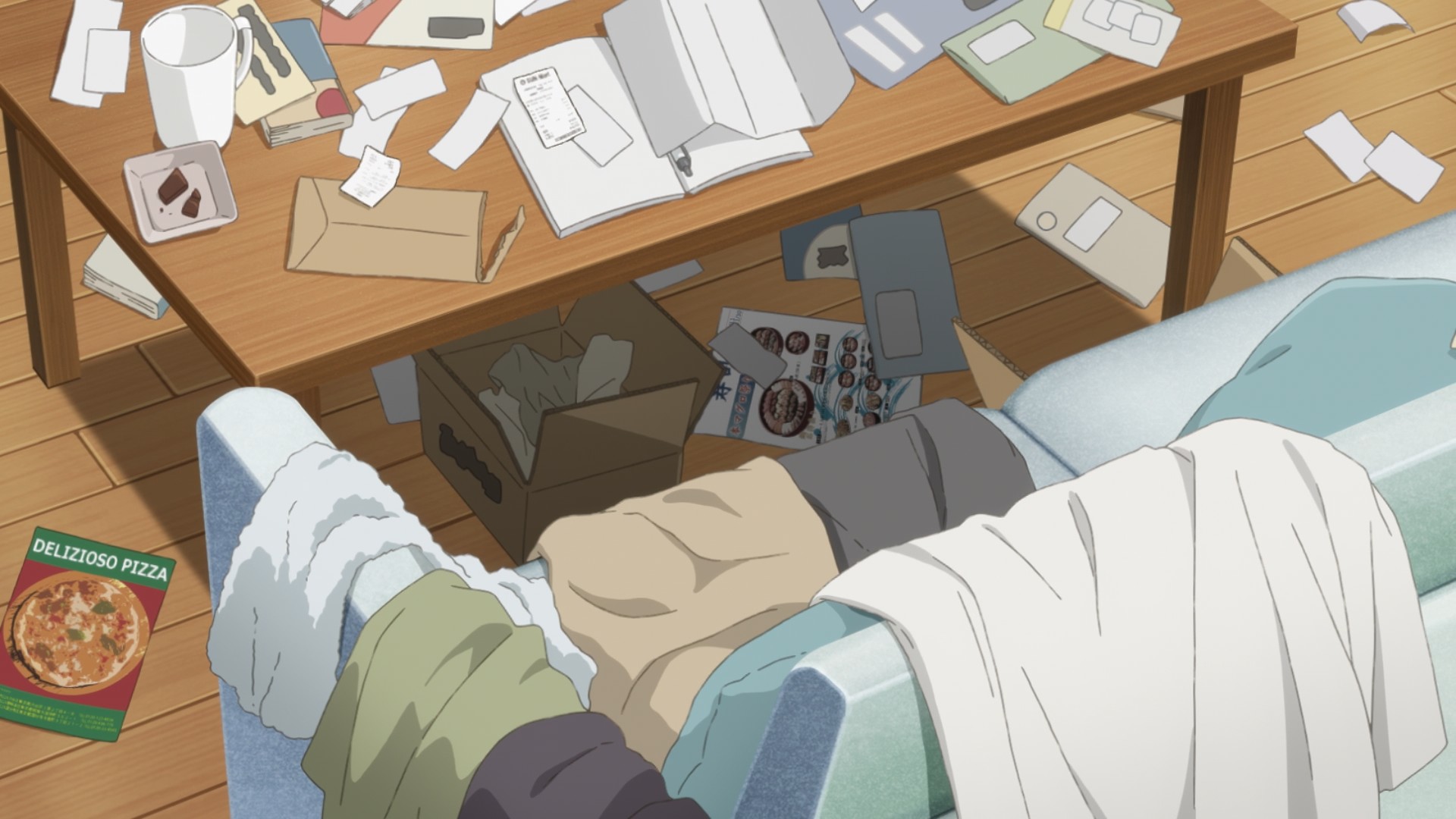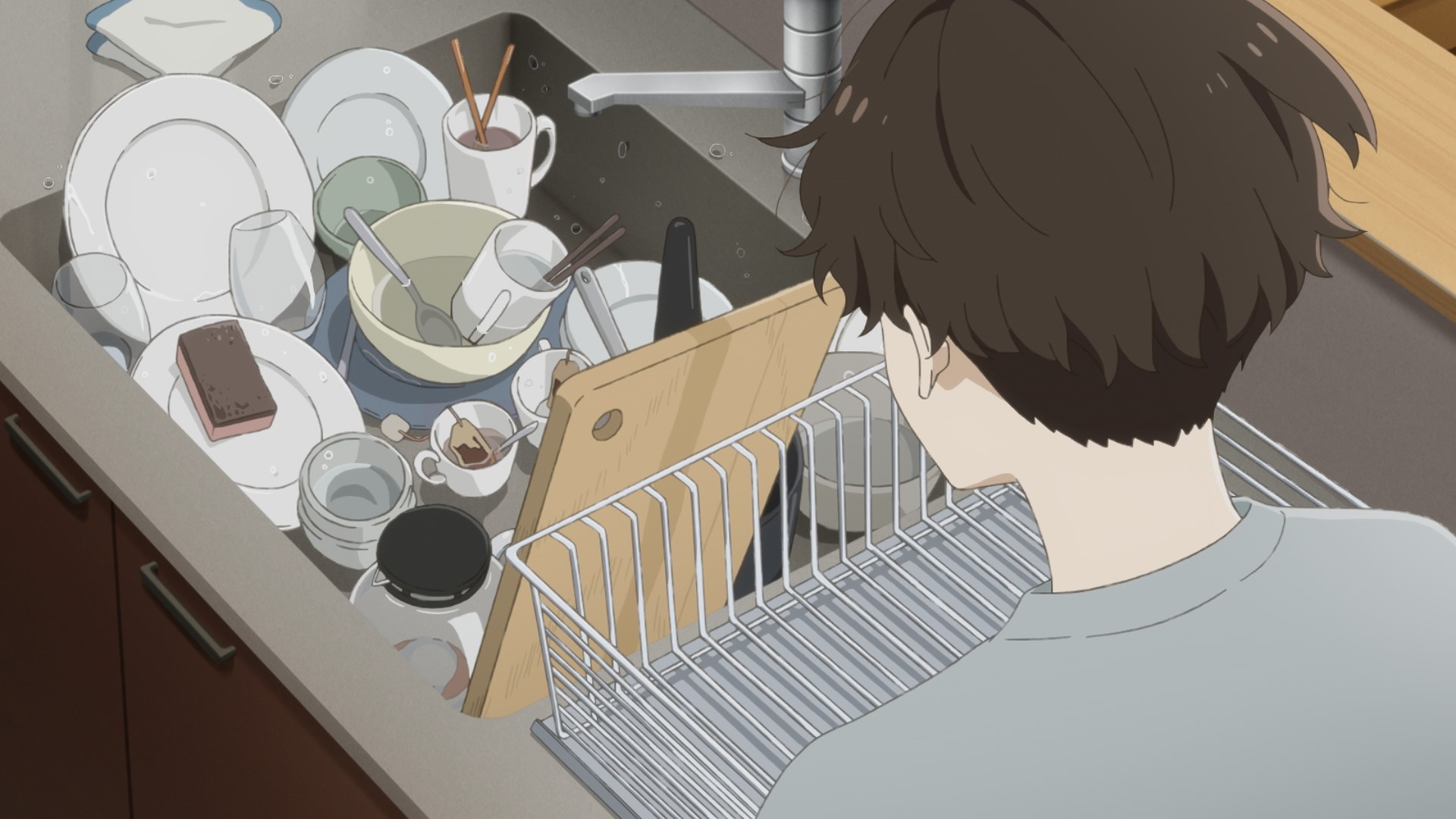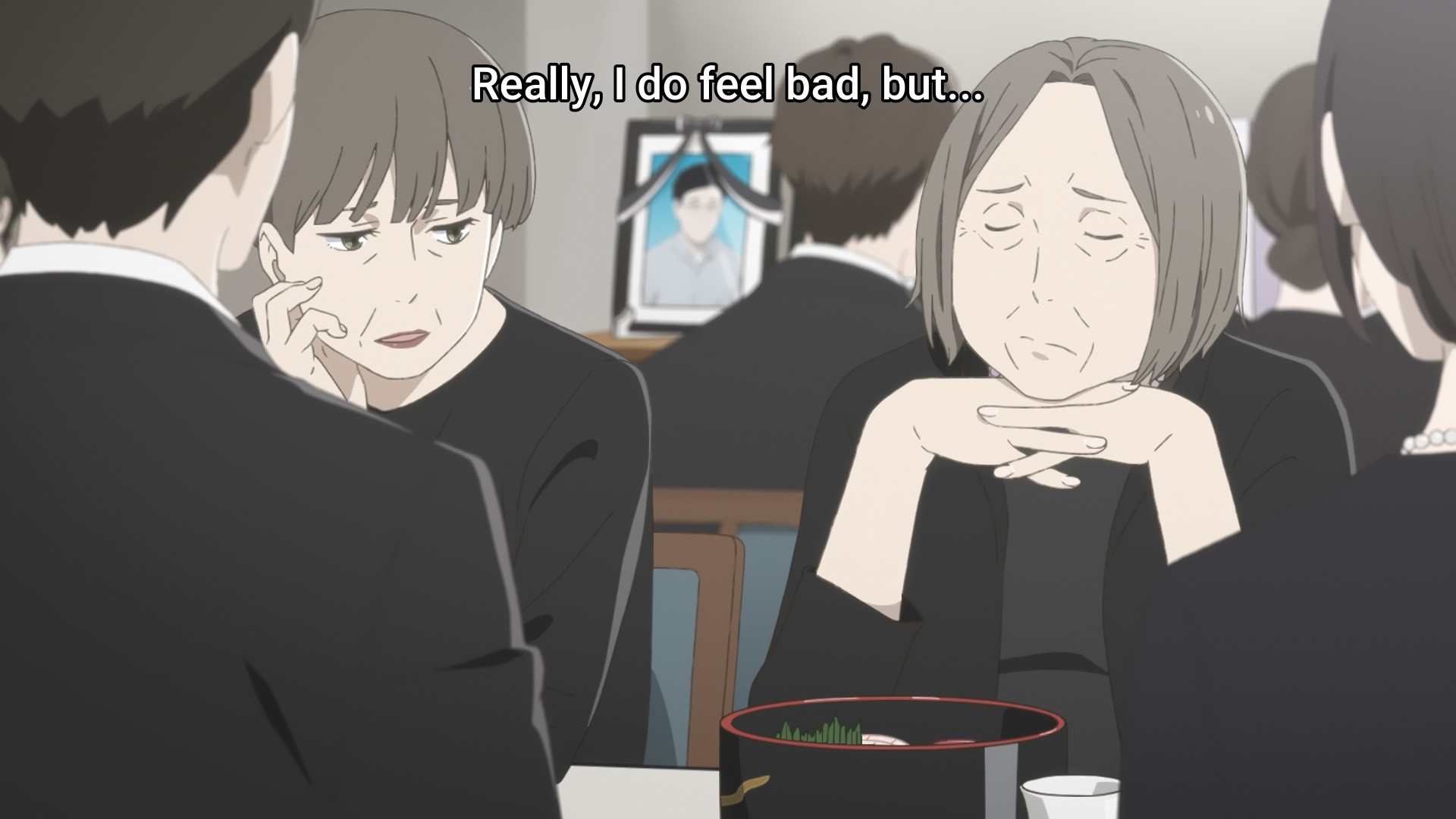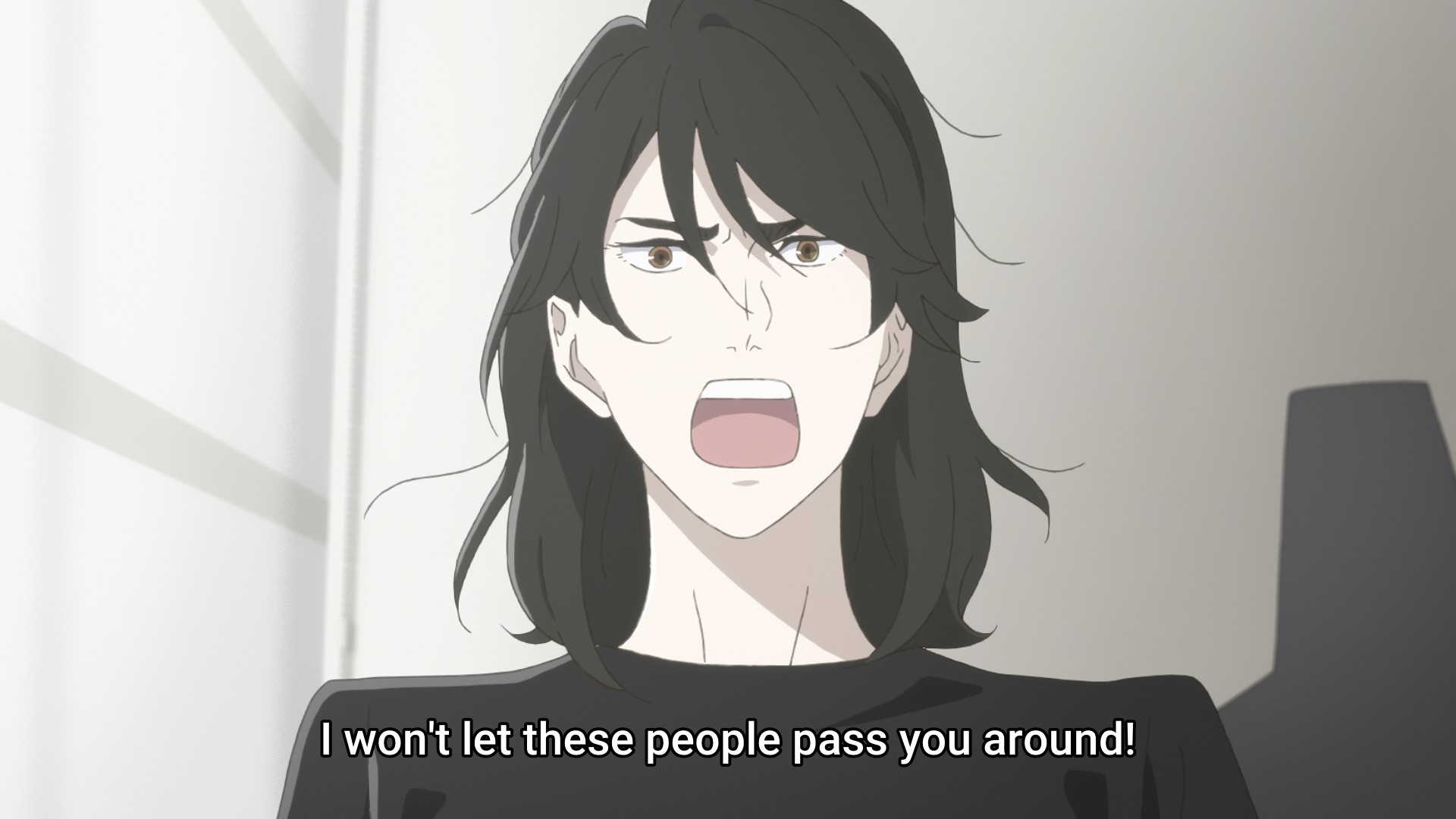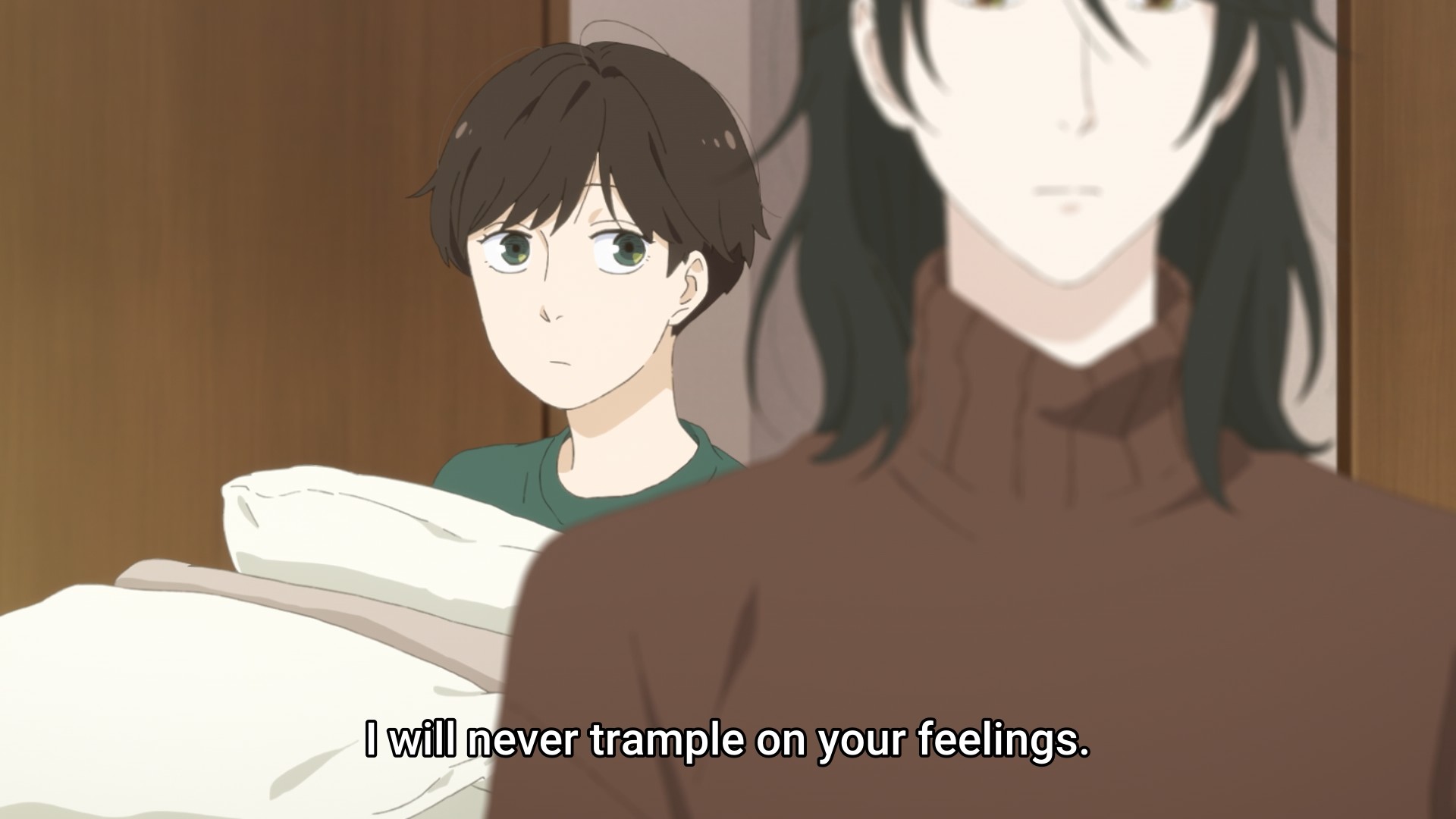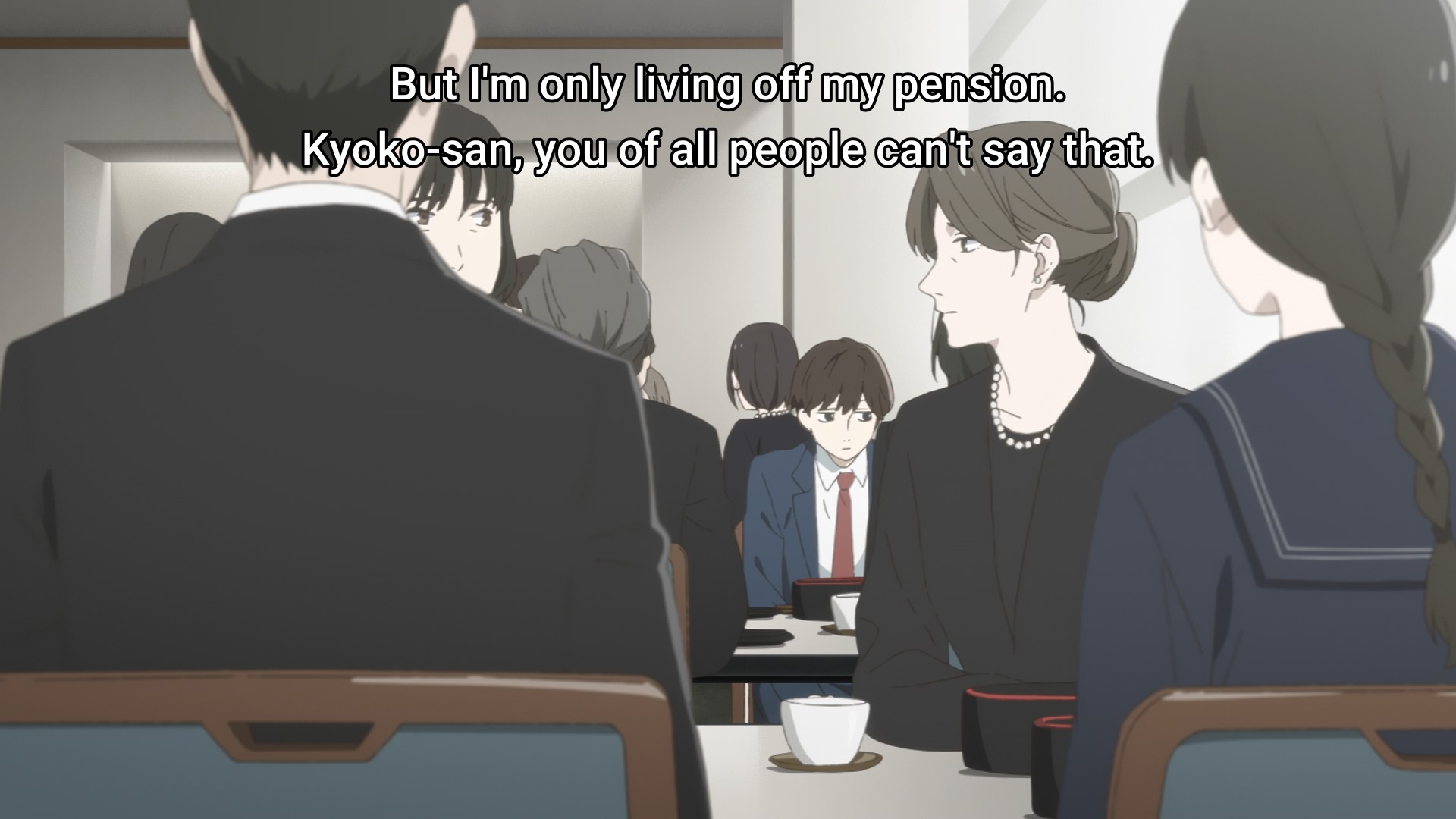
Makio learns that her older sister recently passed away in an accident. An older woman (her mom?) quickly tells Makio to take in Asa, her bereaved niece. Makio tries to protest, because her apartment is hardly fit for a child. Hell, I wouldn’t say it’s fit for a grown adult either. It’s a complete pigsty. Sure, Makio might be reserved and introverted, but I assure you we’re not all like that. A good lot of us can keep our domiciles relatively clean. But Makio can’t, and this is one of the many reasons why caring for Asa would be terribly inconvenient. But you know what else is even more inconvenient? Losing your parents. So tough shit, right? At the end of the day, someone has to step up and do what’s best for the child. I’m equally bemused and saddened by the old lady’s casual hypocrisy. “Have a heart for goodness’s sake,” she says. Excuse me? What about you, ma’am? Where’s your heart? You’re passing the child off to someone else in front of the child. How do you think that makes her feel? In fact, look at all these people who have gathered for the funeral. Where are their hearts? I thought we all agreed that it takes a village to raise a child!
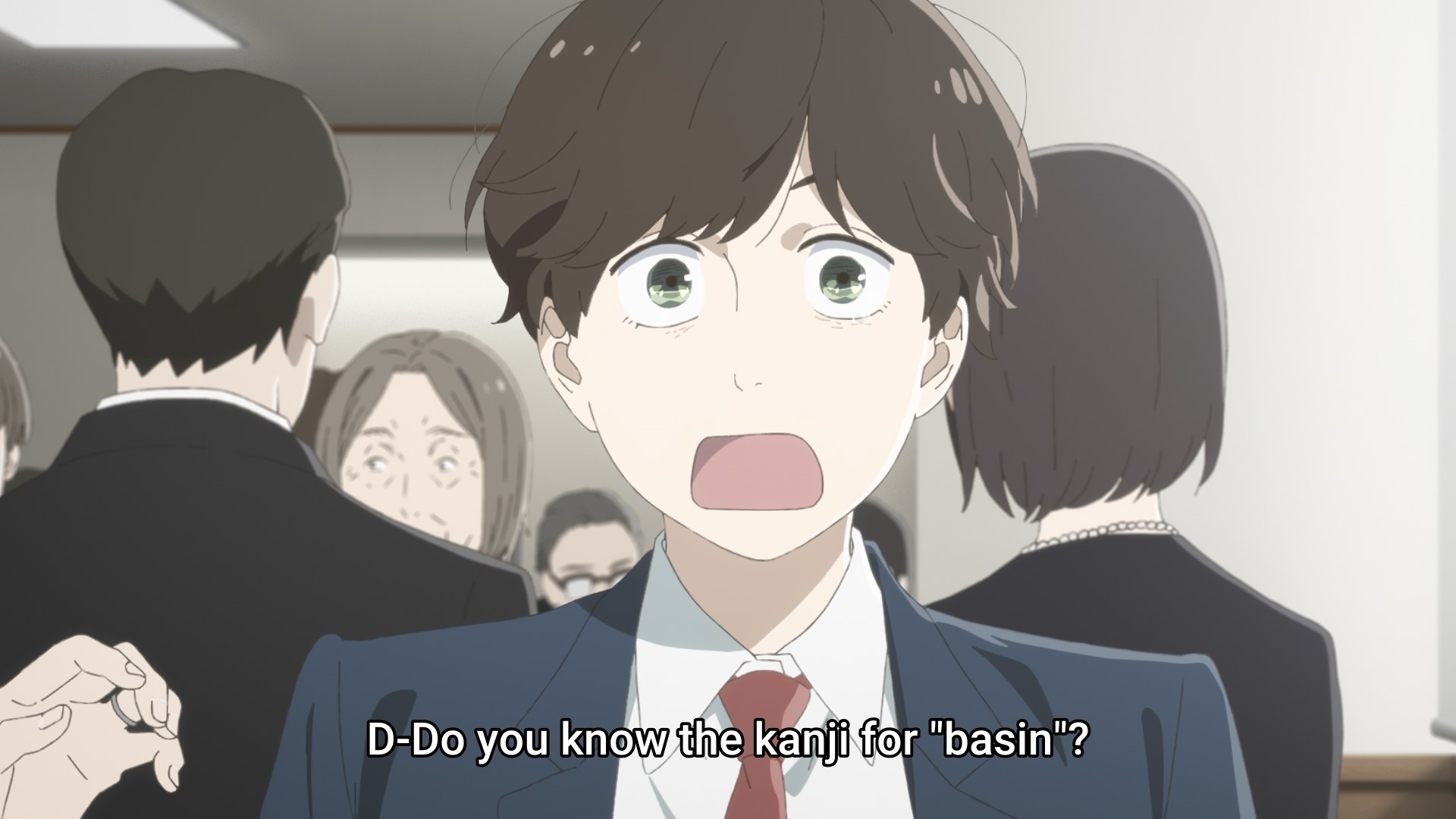
But that’s just how it goes, isn’t it? Everyone shows up for the funeral, because it’s a performative act that doesn’t require much if any commitment. Put on some nice, dark clothes that has been sitting unused in a closet for weeks if not months, show up to the funeral for a few hours, talk nonsense while ignoring the elephant in the room (the bereaved child), maybe shed a crocodile tear or two, then go on home and forget that the tragedy ever happened. Look, if we just ignore the problem, someone else will take care of it. Meanwhile, there’s a girl being thrown to the wind, trapped in the desert of her emotional hellscape. The way Asa lost her parents, I imagine she didn’t even get to say goodbye. Of course she didn’t. Her world instantly has been turned upside down, and there’s no time to even process it. She can barely cry, she can’t rage, she can’t do anything but struggle to find the kanji for the word “basin.”
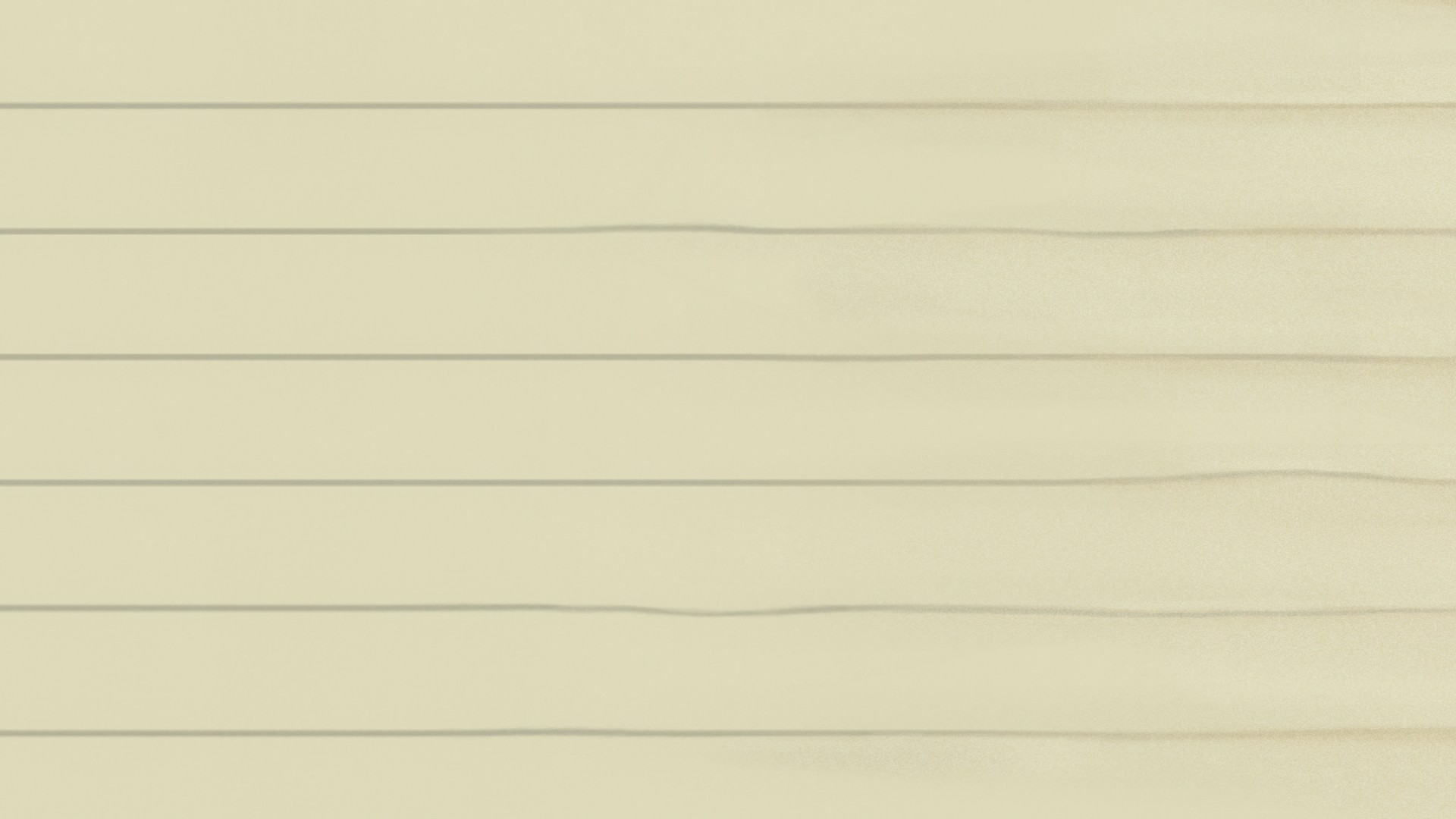
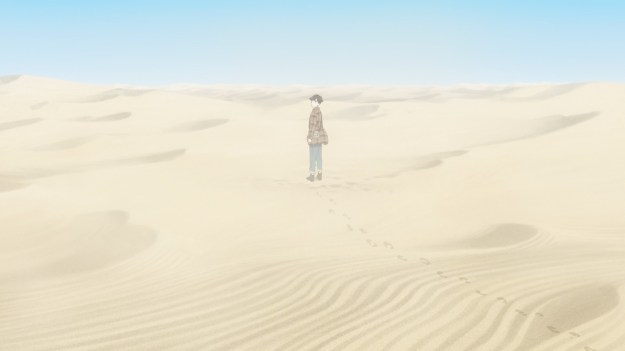
At first, I didn’t really understand the “basin” scene, because hey, I’m not Japanese and I don’t know Japanese idioms. But I remembered how an arc from Higurashi was literally called “Taraimawashi-hen.” In said arc, the main character tries to ignore everything happening around him. Basically, passing the buck, or in this case, passing the basin around because you don’t want to assume responsibility. That’s how Asa’s family is treating her. I love the moment where the empty lines in Asa’s newly repurposed notebook slowly transitions into a barren desert. It represents everything: her loneliness, but also her inability to voice said loneliness. Makio can relate, because she’s been through it before. She knows what loneliness feels like. She knows what the other adults are doing, and she can’t stand it. As an aside, you know what else adults do that I can’t stand? When they talk about the kids around the kids as if they’re not actually there — as if the kids aren’t fully formed beings with thoughts and feelings just like them. Well, at least we know Makio won’t commit this same crime.
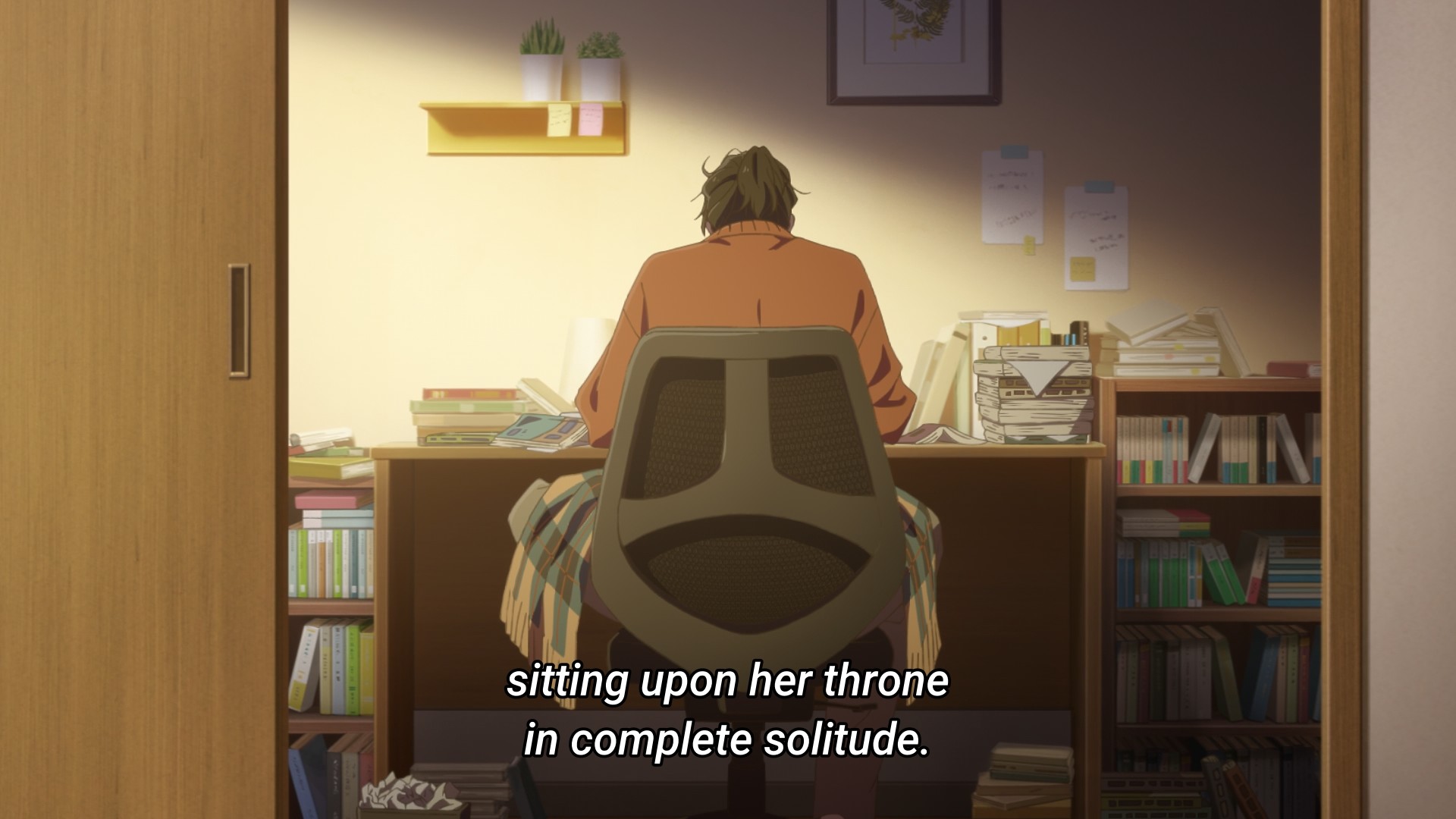
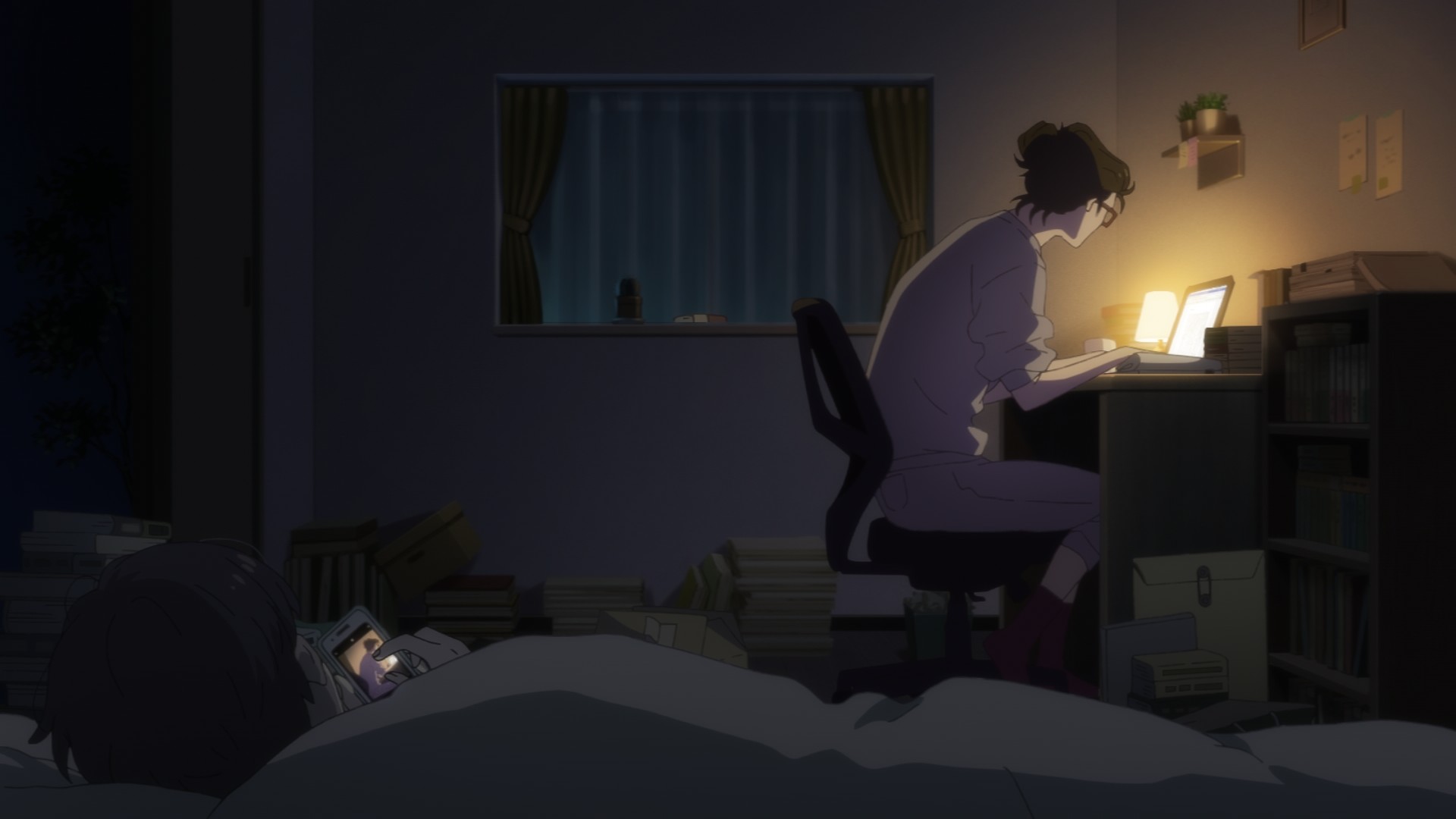
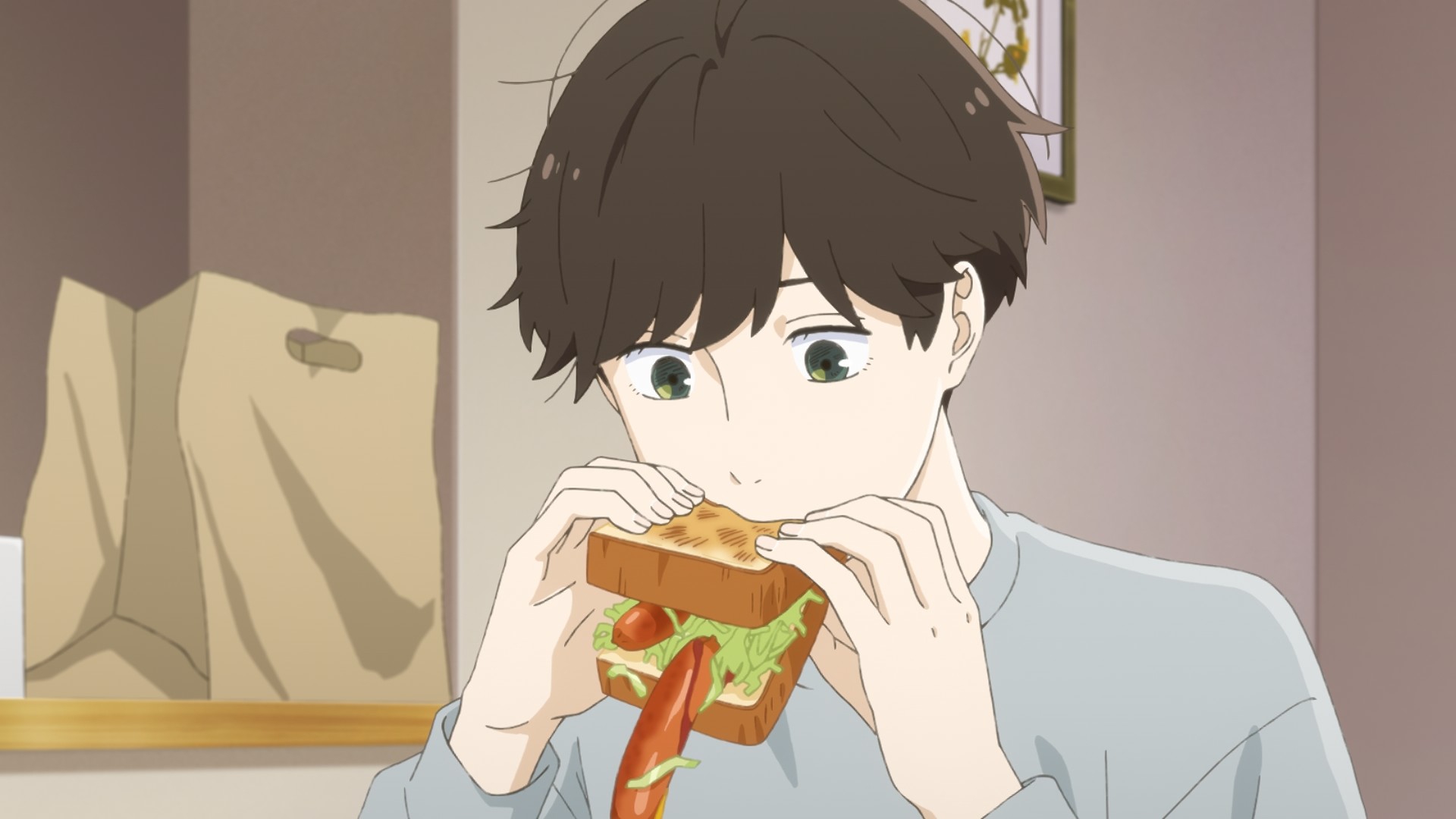
You look at Makio sitting “on her throne in complete solitude,” and you’re tempted to think, Ah, what a lonely woman. And maybe she was lonely at one point. But I think she’s found her way out of her desert. Specifically, I don’t think there’s any point in having so many friends and so much family if your relationships with them are shallow. Trying to maintain unfulfilling relationships is like desperately searching for water in a desert. You might as well be alone. There’s a reason why Asa’s family members quickly turn into abstractions. They certainly don’t fulfill their familial function, so they barely even have a form. But being alone doesn’t mean you have to be lonely. A small, cozy haven for two is better than a vast, open desert full of empty relations. And I like to think Makio has learned to cope with being alone by filling the gaps in her life. It’s probably her writing, but maybe it’s something else. And now she can turn around and impart these hard-earned lessons on her niece. But this is all speculation. Maybe I’m wrong about Makio; maybe she is lonely. We still don’t know why she and her sister had their differences. But I want to stick around and find out what happened. And in equal measure, I want to see how Asa will adapt and grieve her parents’ deaths. She’s already learning a valuable lesson or two, like how not to eat sausage for breakfast.
I didn’t have high expectations for this show from the synopsis alone, but the storytelling in the first episode is excellent. I hope they can build on this.