A lot of focus has been devoted to Asa’s grief, and that makes perfect sense. After all, she’s only fifteen. She’s a defenseless child who now has to cope with a tragic loss. But adults aren’t immune to trauma either. Life experience might have hardened us, but we can still get hurt. And while this episode maintains its focus on Asa’s healing journey, it also reveals that Makio has been on this same odyssey for years if not longer. Maybe she’s been dragging her feet this whole time, unwilling to take concrete steps towards her destination. But now that she has a child to worry about, there’s finally a sense of urgency.
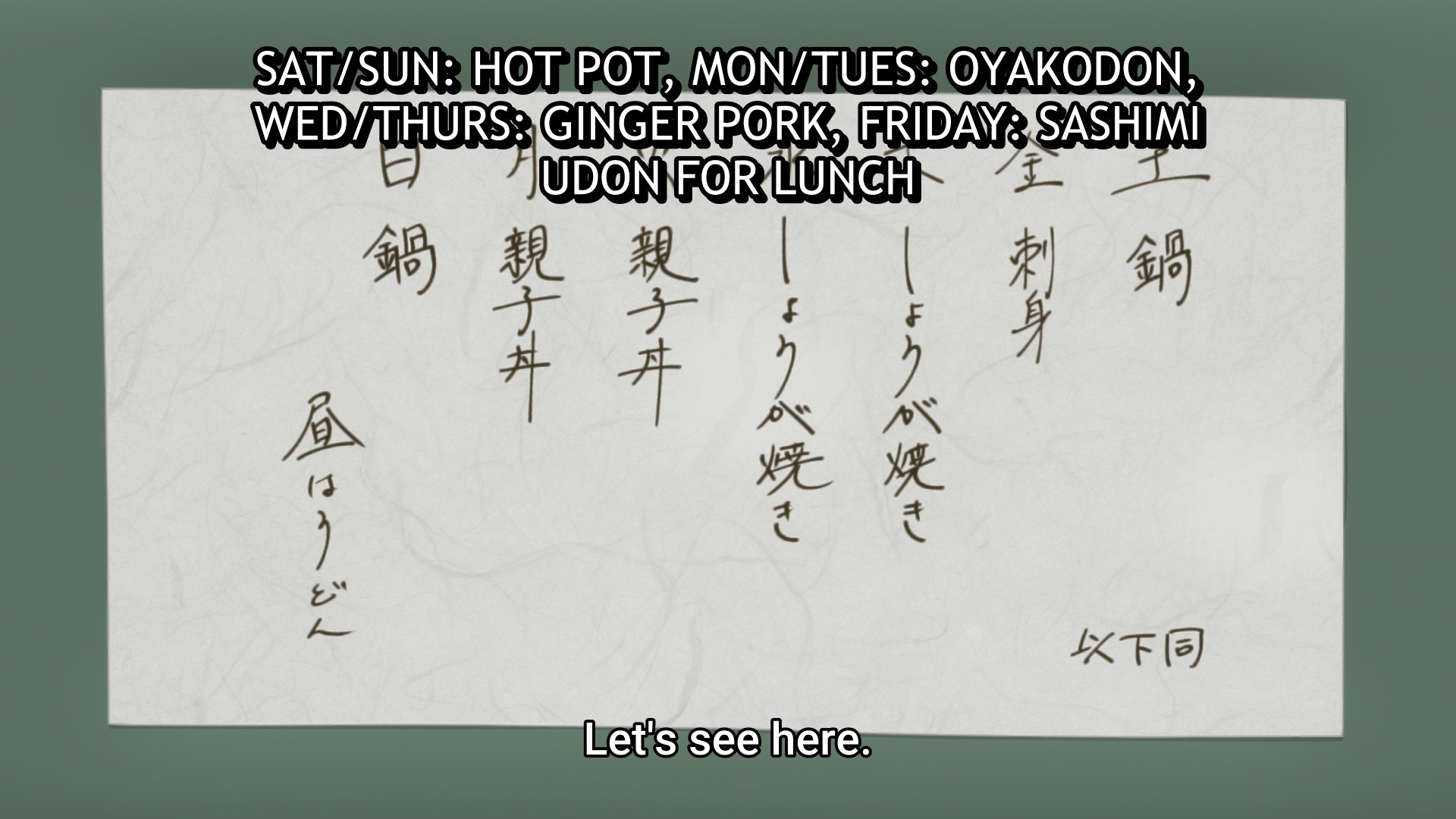
There are a lot of little moments in this episode that feel isolated at first, but they all come together in the end. At the start of the episode, Asa wants to clean and declutter the apartment. Makio is hesitant, and on the surface, it sounds like she doesn’t want to put any burden on the kid. We also learn that Makio has a routine for her meals. It’s easy to assume that she’s just too devoted to her writing, so she doesn’t want to distract herself with minor concerns like finding something new to eat. But maybe it’s more than that. Maybe she desires predictability and thus safety. Similarly, her apartment might be messy, but she probably knows where everything is. Cleaning it up might actually make the place feel less like home.
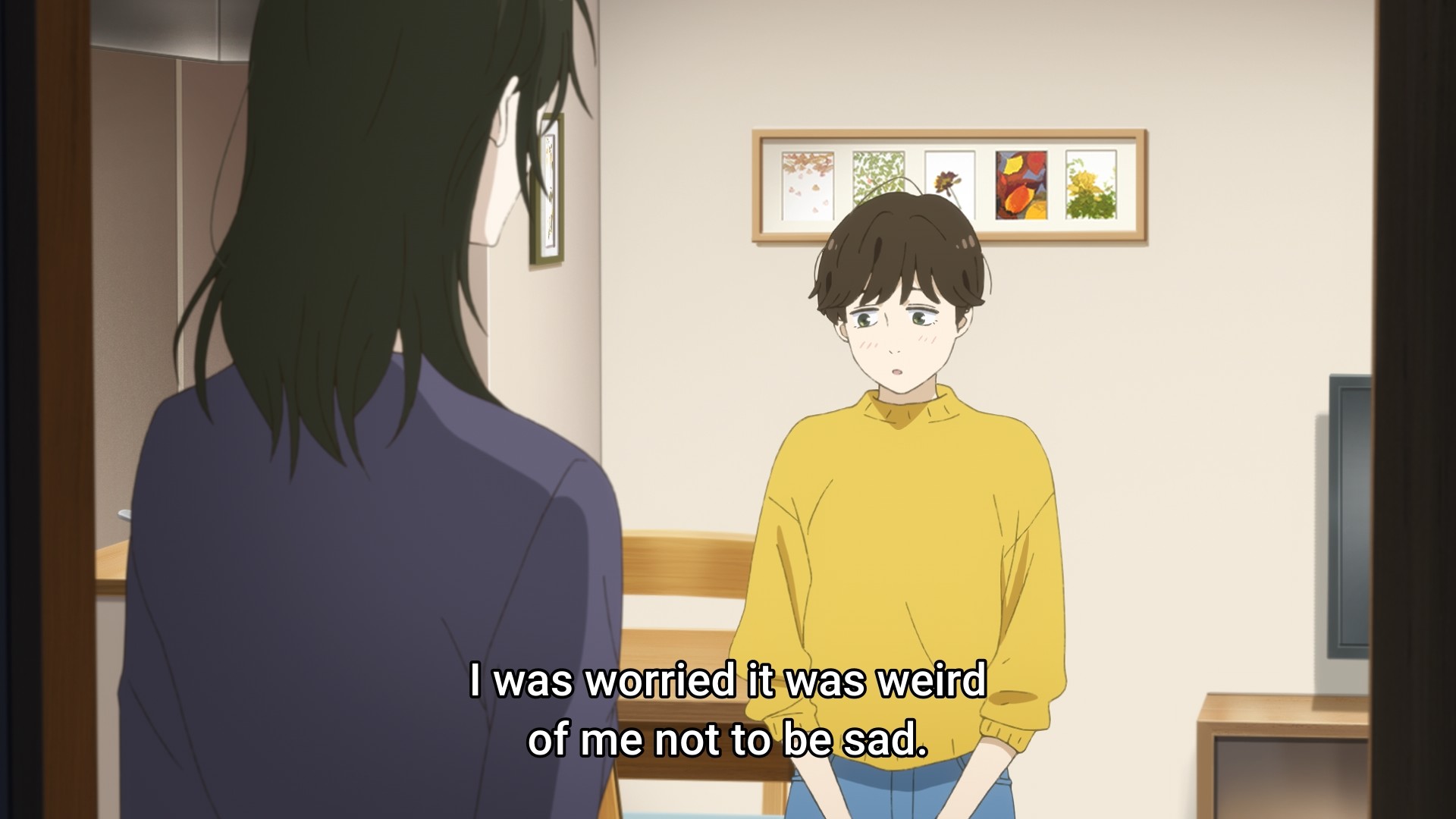
Asa expresses her gratitude to Makio for telling her that she “can be sad when the time comes.” It’s definitely weird when people think everyone should react the same way to the same situations. People grieve differently, and we should respect that. Not everyone feels sad on the same timeline. Sometimes, it just hits you months or even years after the fact. I remember when my cat died, I didn’t tear up in the moment. I was just numb. But later that summer, something triggered a memory of her (I can’t even remember what anymore), and I just couldn’t stop the tears. It sucks enough to lose a loved one (even if it’s just a pet). Giving people flak over how they express their sadness is one of the worst things you can do.
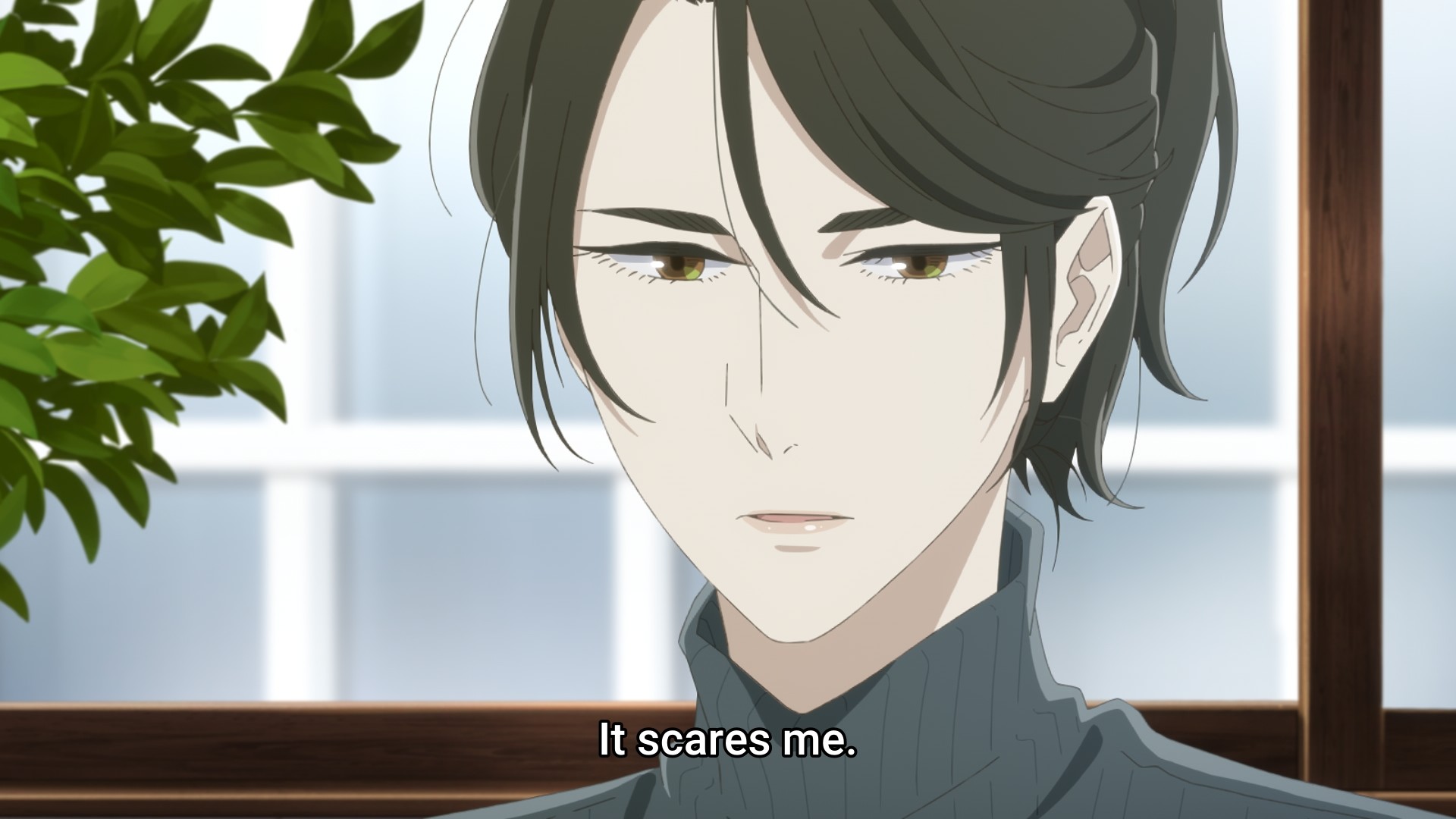
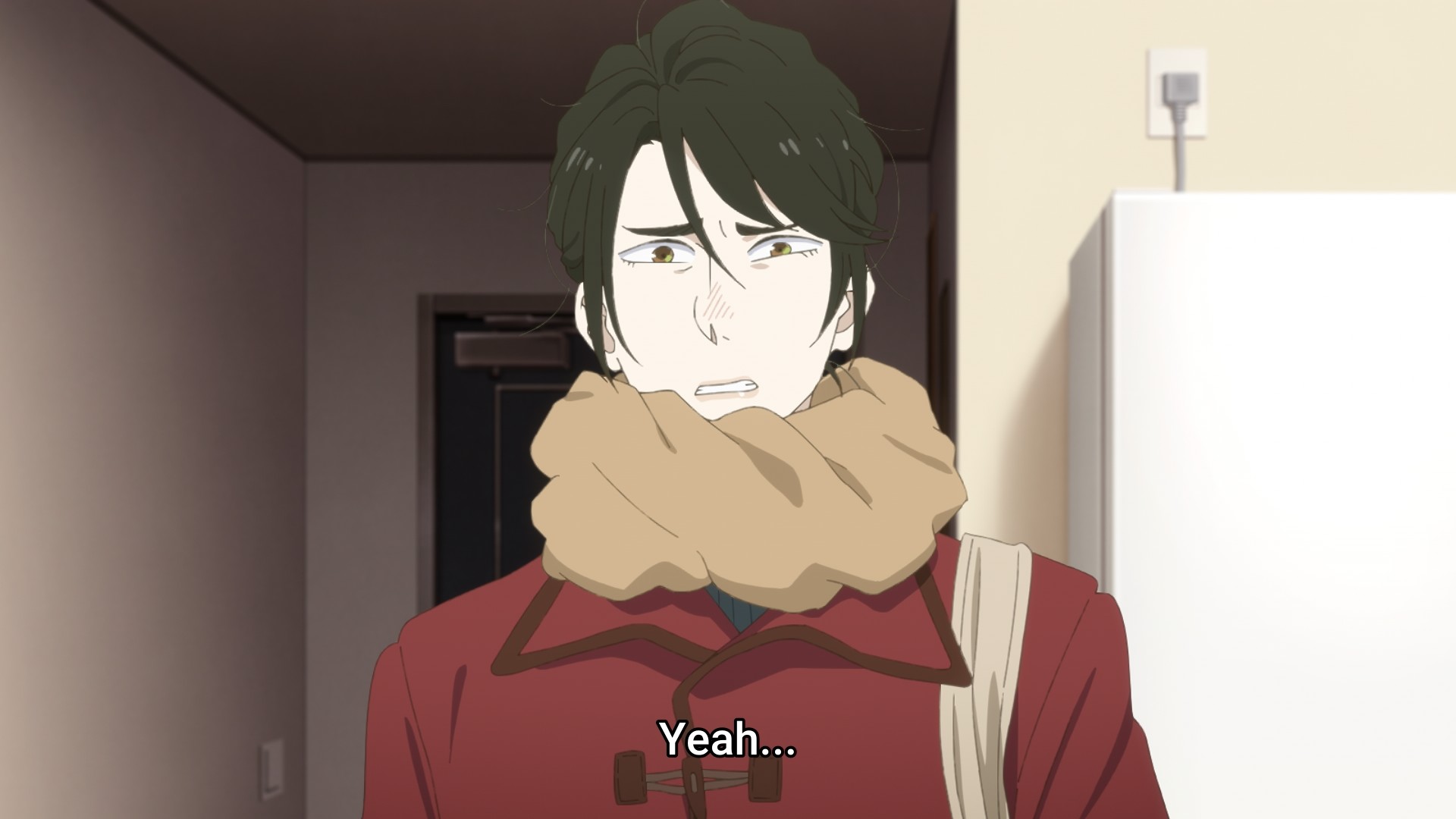
But again, we can’t forget to check up on Makio too. And as I listened to Makio confide in her ex-boyfriend about Asa, I couldn’t help but feel as though she’s talking about herself as well. Apparently, Asa has been sleeping a lot during the day. I can relate. They say time heals all wounds. Well, I would often deal with stress or sadness with copious amounts of sleep. It’s certainly beats being awake and feeling shitty. But I like to think there’s more than one way to “sleep.” You can certainly tend to your wounds in other ways, like perhaps devoting yourself to a singular task like writing.
When Makio returns later that day, she finds Asa reading one of her novels. Makio immediately makes a face. It’s kinda funny in a way. You pour your heart and soul into your writing for all to read, but not necessarily your family. You can be comfortable with strangers reading your inner most thoughts, but that’s because you’ll never know them and they’ll never really know you. You’ll never meet most of your readers face-to-face. With family, it’s different — much, much different. As a reader, we can make conjectures. We can assume that the writer is talking about themselves when we read a particularly heartfelt passage. But at the end of the day, there’s still plausible deniability. When someone who personally knows you reads your work, however, that deniability is gone. Makio’s bare, naked thoughts are there for Asa to plumb. She wants to be strong; she wants to be someone that Asa can lean on. But now she feels vulnerable and unprotected.
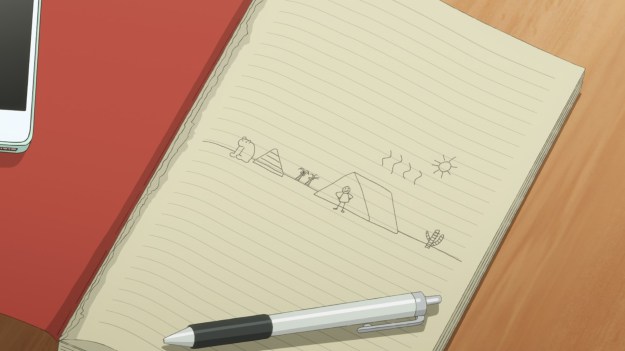
Moreover, the book reveals what she is not comfortable expressing face-to-face: the need to return home and find closure, and the frustrating inevitability of it all. You’ve run so far only to find yourself still headed home. How maddening. Worst of all, there’s the sinking feeling that you need to return home before you’re mentally ready. But is there ever a perfect moment for dealing with a loss? For Makio, it’s more than just grieving the death of a relative. It’s also grieving the family she lost when she estranged herself all those years ago. Makio might have learned to cope with this “death,” but it sounds like she hasn’t had to confront it until now. Makio been sleeping this whole time like her niece, but just in a different way.
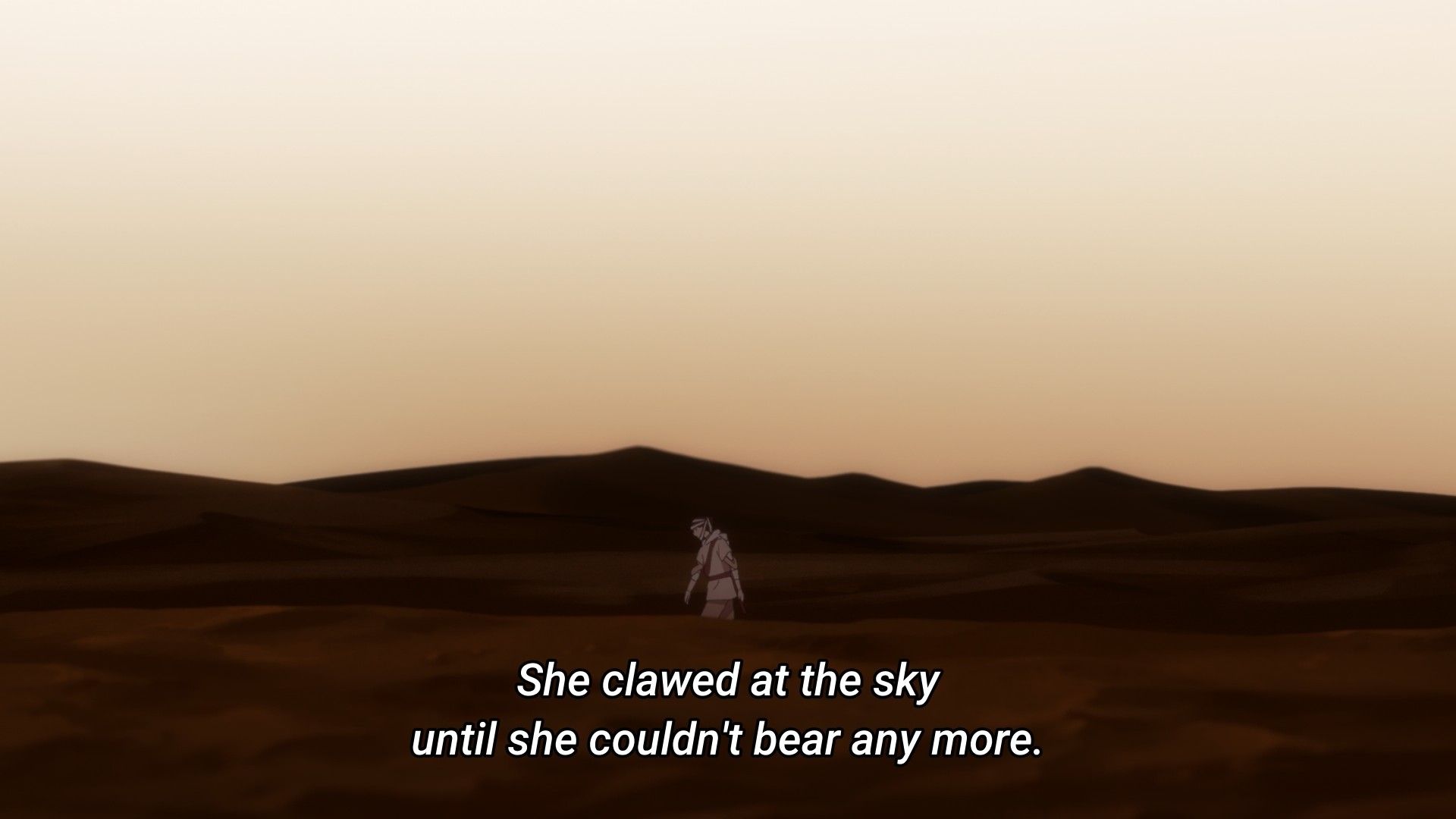
So is Makio’s apartment messy because she’s a slob? Or has she been nesting because all the “junk” made her feel safe and secure? Maybe that’s why routine and predictability is so important to her in other areas of her life. As least she has control over what she eats. Meanwhile, she doesn’t know when to wake Asa up, because up until now, she didn’t even know when to wake herself up. But she’s going to have to drag herself home due practical concerns that we just talked about. Both she and Asa are taking the same journey, side by side: to run away, to grieve, then to come home. We can split hairs and argue that the rest of the family essentially rejected Asa by not wanting to take her in, so that’s why she’s with Makio. But the end result is the same: they’ve both had to isolate themselves from their family for one reason or another.
Stray thoughts & observations:
- I guess Makio’s sister mocked her for becoming a novelist. But why? If anything, it takes effort to be mean. Afterwards, you have all this uncomfortable tension to deal with. After a certain age, I don’t know why anyone bothers. Yeah, I’m not exactly a nice person; I’m just too lazy to be mean.
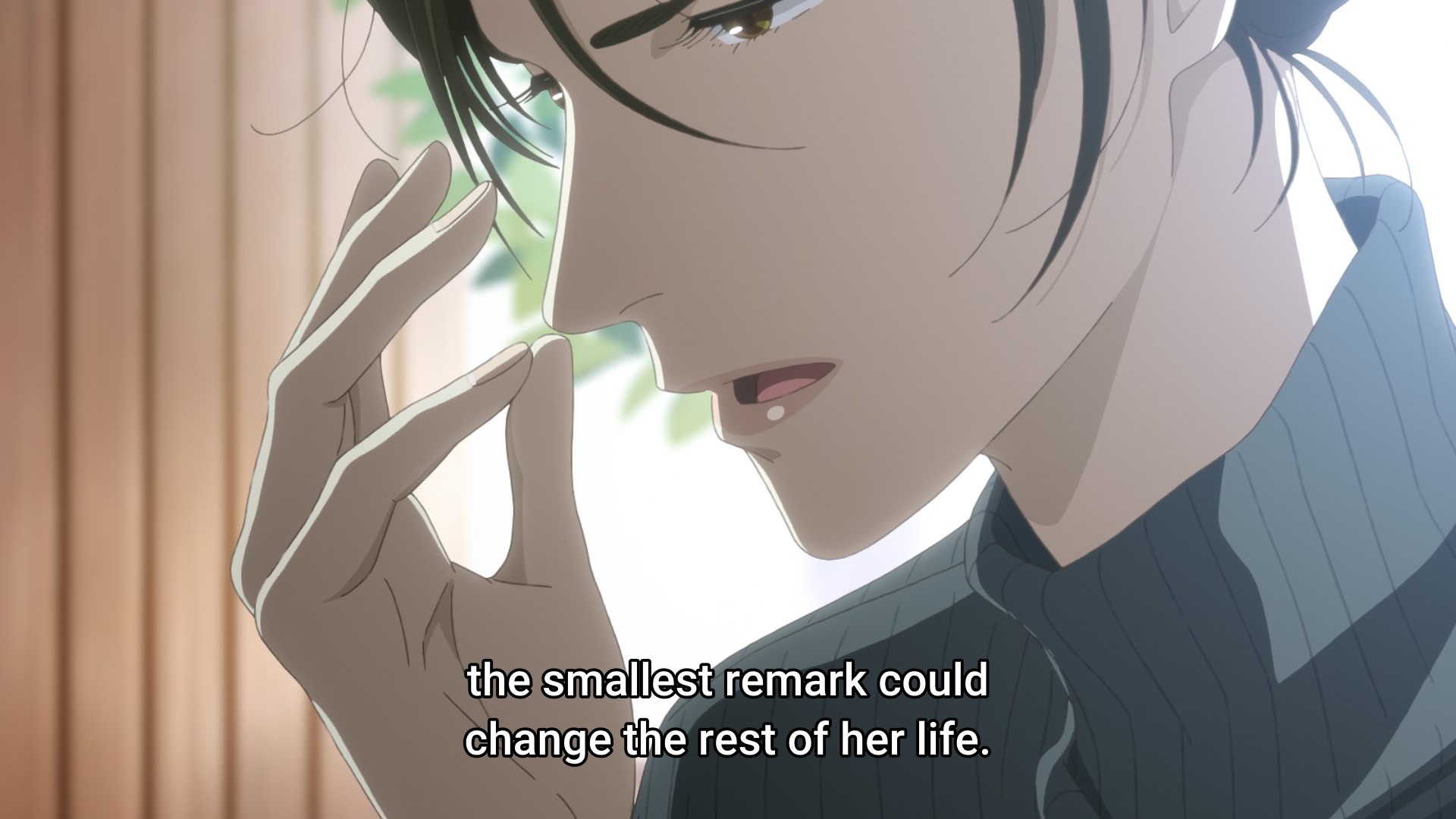
- Later in the episode, Makio asks Asa to let up on the “pressure.” I don’t think the kid has been pressuring her at all, but she probably feels a bit… ashamed. When Asa insists on doing things like cleaning up the place or changing up the meals they eat, perhaps Makio feels judged and thus pressured into conforming to a certain way of living. This then triggers a bad memory of Makio’s sister. Maybe she used to say things like, “How can you possibly achieve something big if you can’t get the small things right?”
- I guess I relate to this. I don’t really talk to my parents all that often these days (long story). I just let them know that I’m still alive. Speaking of which, there’s an app for every little thing nowadays, so I heard that there’s even an app just to check up on people and make sure they’re not dead. Like you don’t have to reply or whatever. You just press a button to confirm that you’re still alive and kicking, but you still want to be a complete shut-in.
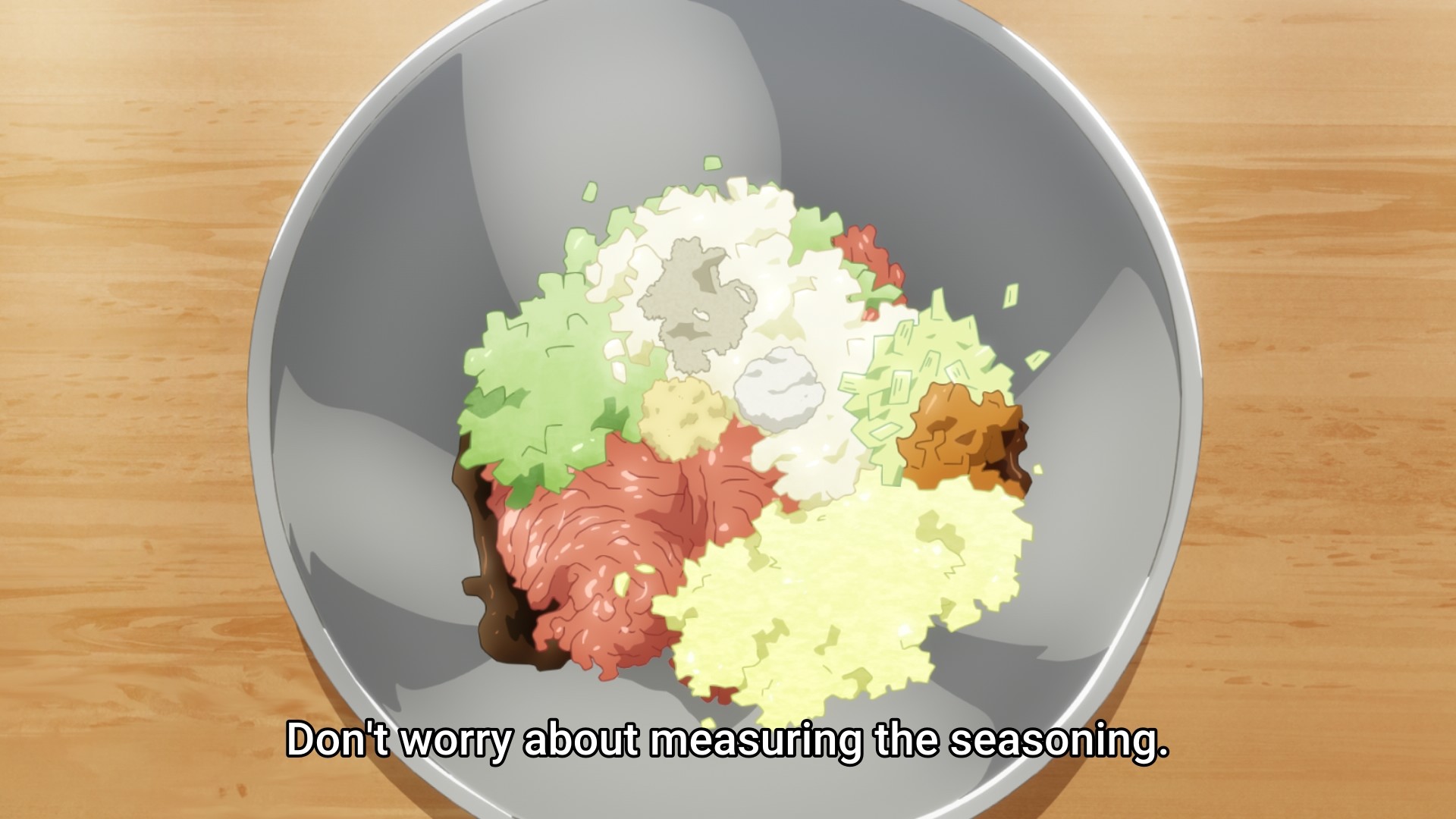
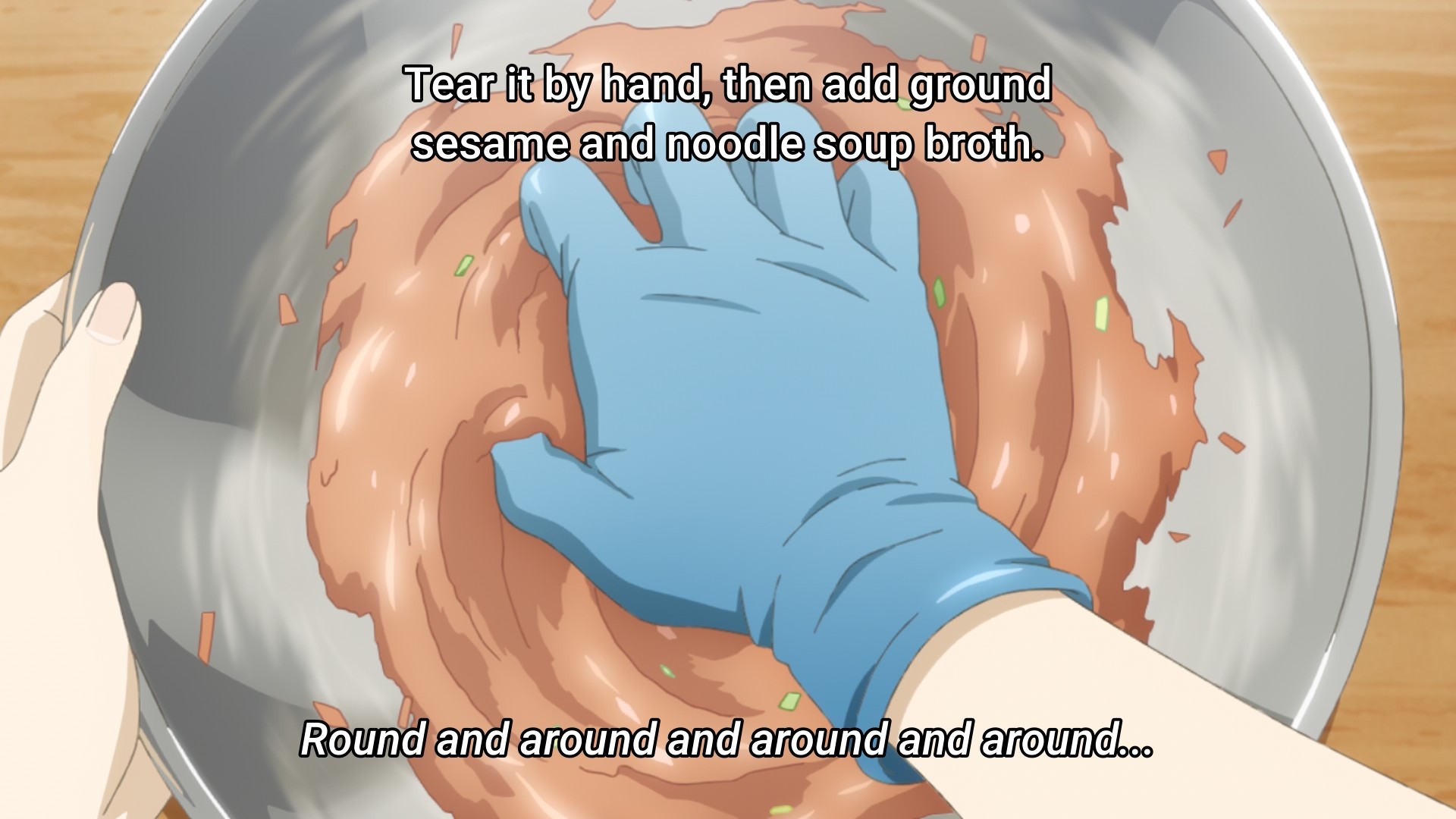
- Nana, a friend of Makio’s, drops in to see how everyone’s doing. She also teaches them her recipe for gyozas. It’s interesting how much love we can convey without words.
- Asa feels like Makio and her friend Nana are speaking a different language entirely. Don’t worry, ’cause I do too. As an outsider, there doesn’t seem to be a natural flow to the conversation. But I’m not their bestie.
- I like to think I’m a decent home cook, but I have a tough time with things like gyozas. After all, you can’t just plop raw meat into your mouth. It’s easy to adjust the salt level on most dishes, but you can’t exactly add salt to your gyoza if the filling ends up being bland. Sure, you slather them in soy sauce, but it’s a bandaid at best. So yeah, I generally just buy gyozas frozen.
- You don’t want to overwork the meat, though…
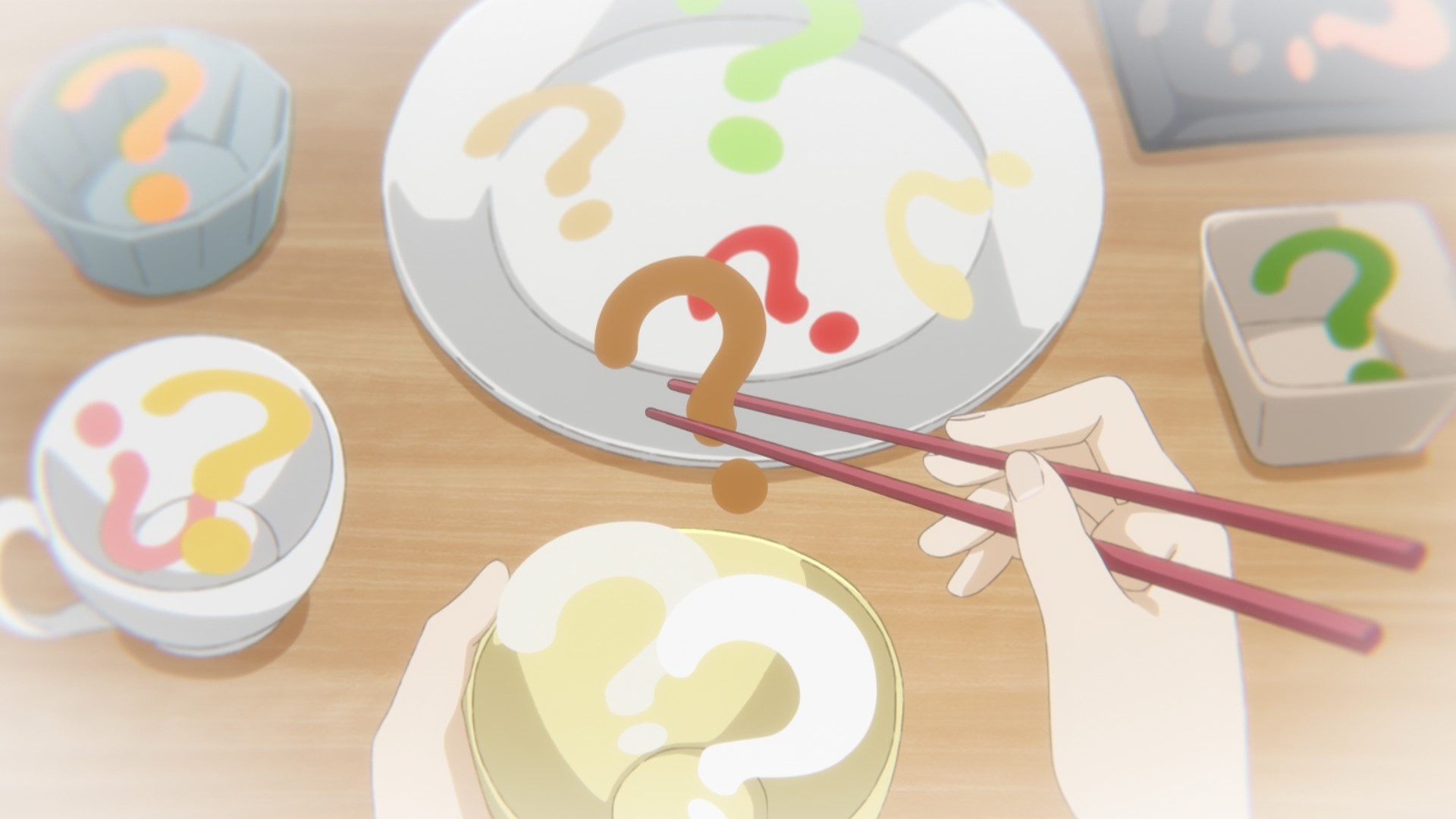
- Asa can’t remember what she used to eat anymore. This comes shortly after Makio tells Nana to stop making gyozas if doing so dredges up unpleasant memories. Hmm…
- All three of them discuss the delicate, fragile meaning of a text that reads “How are you doing?” I mean, they’re not wrong. I’m sure Asa’s friend spent quite a bit of time deliberating on what to say. But I feel like this is the sort of thing you just intuit. We don’t need to deconstruct our friends’ words to such an extent.
- Like it did for you, huh?