
Sitara nearly surrenders to the empress’s masterful machinations. Can she steel her resolve? But before that, we need to set the stage. Ogedei finds himself in the realm where spirits reside. He thinks he’s trapped there, but Tolui eventually shows up to retrieve him. However, they can’t both leave without angering the spirits. As such, Tolui sacrifices himself for Ogedei’s sake. He does it with a smile, too. Well, he did tell Ogedei to look after Sorghaghtani, and I guess that should count for something (read: not much). Still, I don’t know how seriously I’m supposed to take this scene. Obviously, I don’t believe in this nonsense. I’m inclined to read all of this as nothing more than a fever-induced hallucination. This is Ogedei justifying his brother’s assassination.
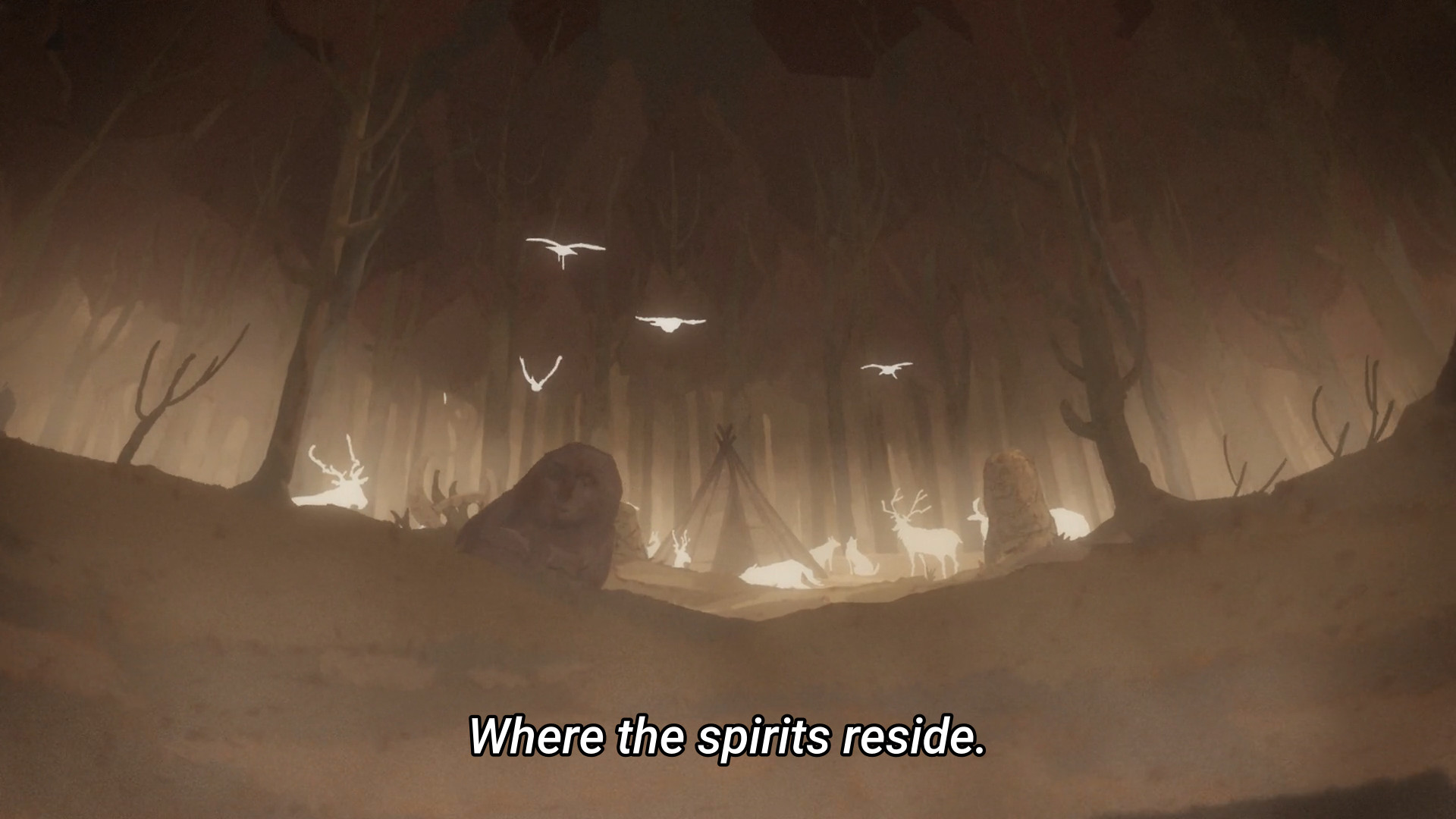
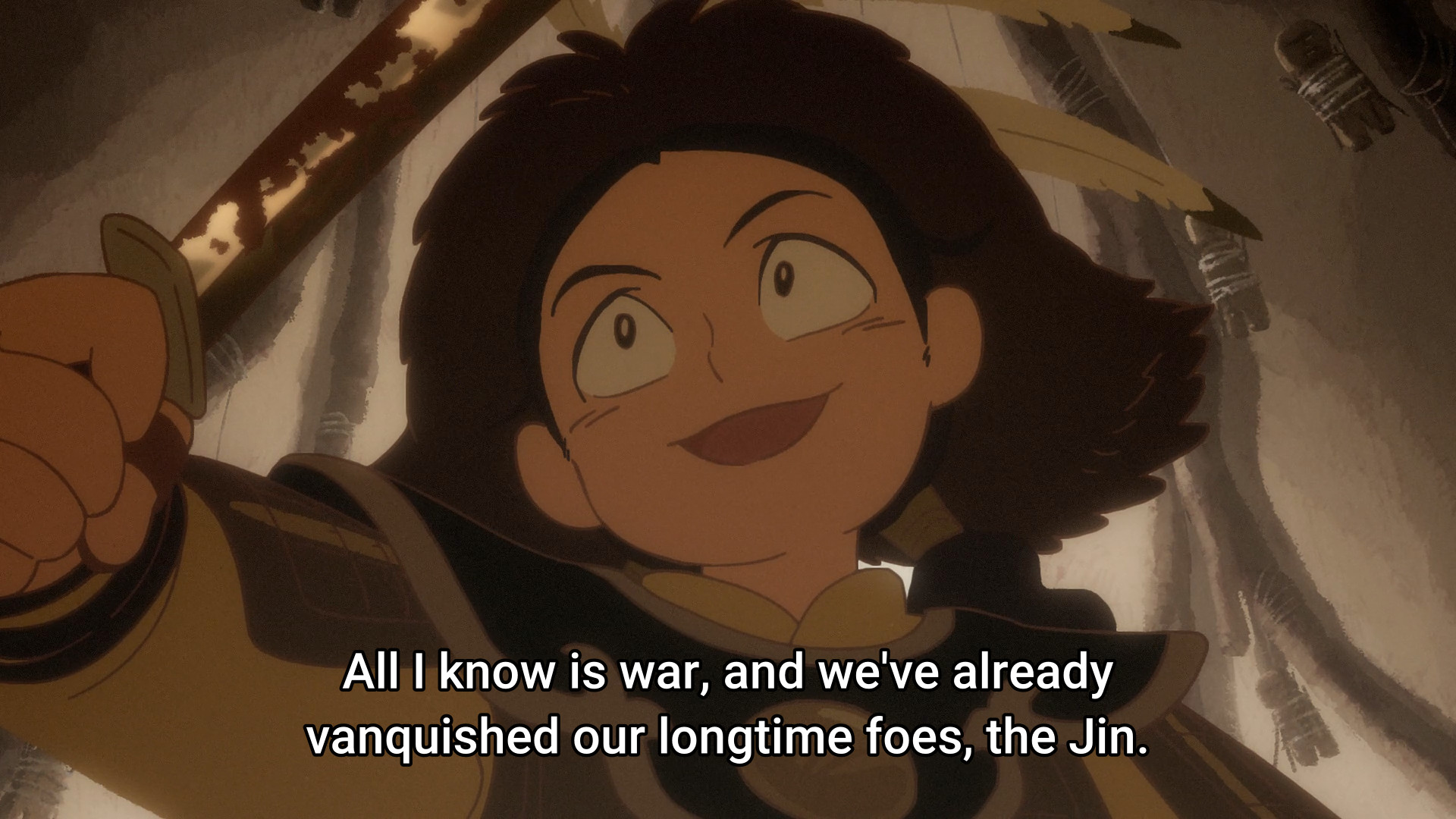
But how, you might ask, would he know that his brother would die for him? That he was being manipulated by Boraqchin to drink poison? Well, they say patients in a coma can still hear their loved ones speaking to them. Ogedei certainly isn’t in a coma. Maybe he overheard everything. I just prefer this to believing that, y’know, there’s a spirit realm and that illnesses are dictated by the spirits that reside there. This also potentially whitewashes Ogedei’s involvement. We don’t really know the real reason why Tolui died. Yes, yes, there was an official report about him dying during a shamanistic ritual, but do you really believe that? And while it has been fun to muse about the women pulling all the strings from the shadows, let’s be real: both genders can be just as conniving. I wouldn’t doubt for a second that Ogedei might have had a hand in taking his brother out. Power corrupts.
At the moment, Sitara feels like a girl in over her head. She has no allies. Toragene is detained under suspicion of poisoning her own husband (but then the thing with the spirits…?), Boraqchin probably doesn’t trust anybody but the somewhat dimwitted and thus easily controlled Moge, and Sorghaghtani sure as hell won’t welcome Sitara back with open arms. Where now can Sitara go?
Still, a manipulator like Boraqchin probably feels as though she can keep Sitara on a leash — that the smart girl can nevertheless serve as a useful pawn. As a result, Sitara gets Euclid’s Elements back. The empress then shows Sitara a tent full of all the accumulated books Sorghaghtani had previously hoarded from her late husband’s conquests. This is what Sitara wanted, right? After all, Tolui was the one who gave the orders to have her mistress killed. His house is now in ruins, and Princess Sorghaghtani has seemingly given up on her ambitions. So the job’s done. Well, yes and no. The man is dead, but not on her terms. More importantly, a certain question begs to be answered: how did Boraqchin even learn about Elements and Sitara’s desire to get it back? Did Toregene rat her out?
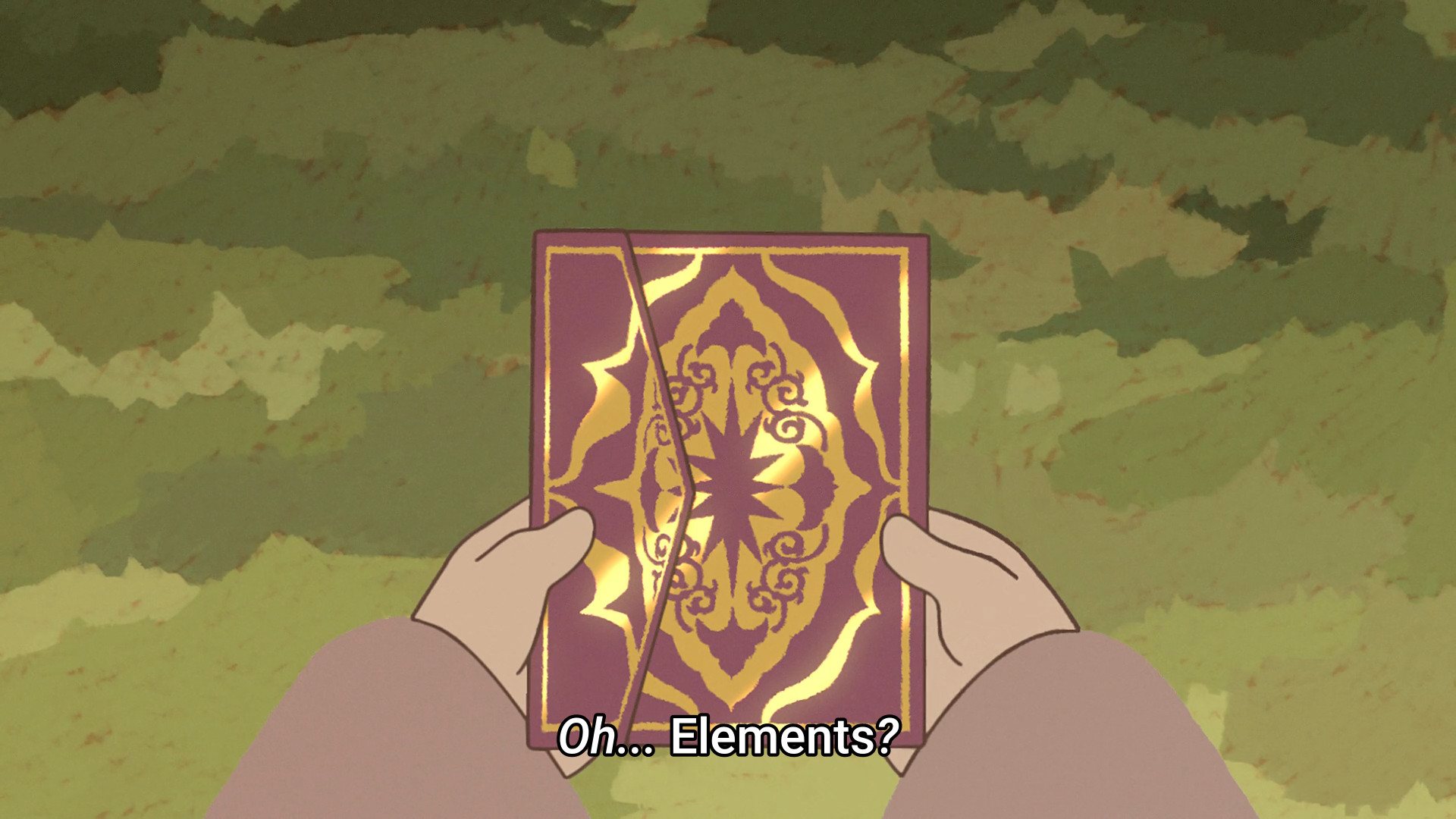


Once again, Sitara finds herself at fate’s crossroads. Her life has taken her far and wide. She has seen the world in ways she never would’ve imagined as a slave child. She initially feels as though she has long since surpassed Muhummad; she has acquired more knowledge than her he ever could in a life tragically cut short, and she did that by being a survivor. So why not keep at it? Just survive. That’s one of our primary directives as the human animal who walks this planet, right? Maybe she should simply embrace Boraqchin’s proffered hand and accept her designated place beneath the empress. But to look forward, we have to look backward.
Sitara had a similar opportunity in the past. I recall a certain scene back in the fifth episode. The girl met a couple of Persian women in a tent shortly after being asked by Sorghaghtani to become a spy. Sitara saw how happy the women were, and for a brief moment, she saw a different possibility for herself. Like them, she could’ve kept her head down and assimilated. She could’ve been like the other captured Persian women who settled down and accepted a new life in the steppes. All she had to do was swallow her anger and let go. But she chose to forge on anyway and carry out her revenge plan. I also remember her having qualms about Tolui’s conquest of the Jin Dynasty. But she brushed those worries aside in order to further her aims. So why stop now? She’s already breached the moral event horizon. Even if it is the more moral path to take, to pivot now and willingly become Boraqchin’s dog on a leash would be shameful.
The sudden crash of a fallen washing basin snaps Sitara out of her stupor. More importantly, it quickly reminds Sitara of a certain moment she shared with Muhammad — it reminds her of what she’s fighting for. She could bow her head for the next forty or fifty years — however long it takes before she dies naturally from old age — or, in a morbid sort of way, she could fulfill her potential by going out with a bang. Sitara thus asks Boraqchin a pointed question that would reveal whether or not Toregene had truly sold her out. She didn’t. Boraqchin does not have complete control of the situation, and this sliver of hope is what puts the girl back on her intended path.

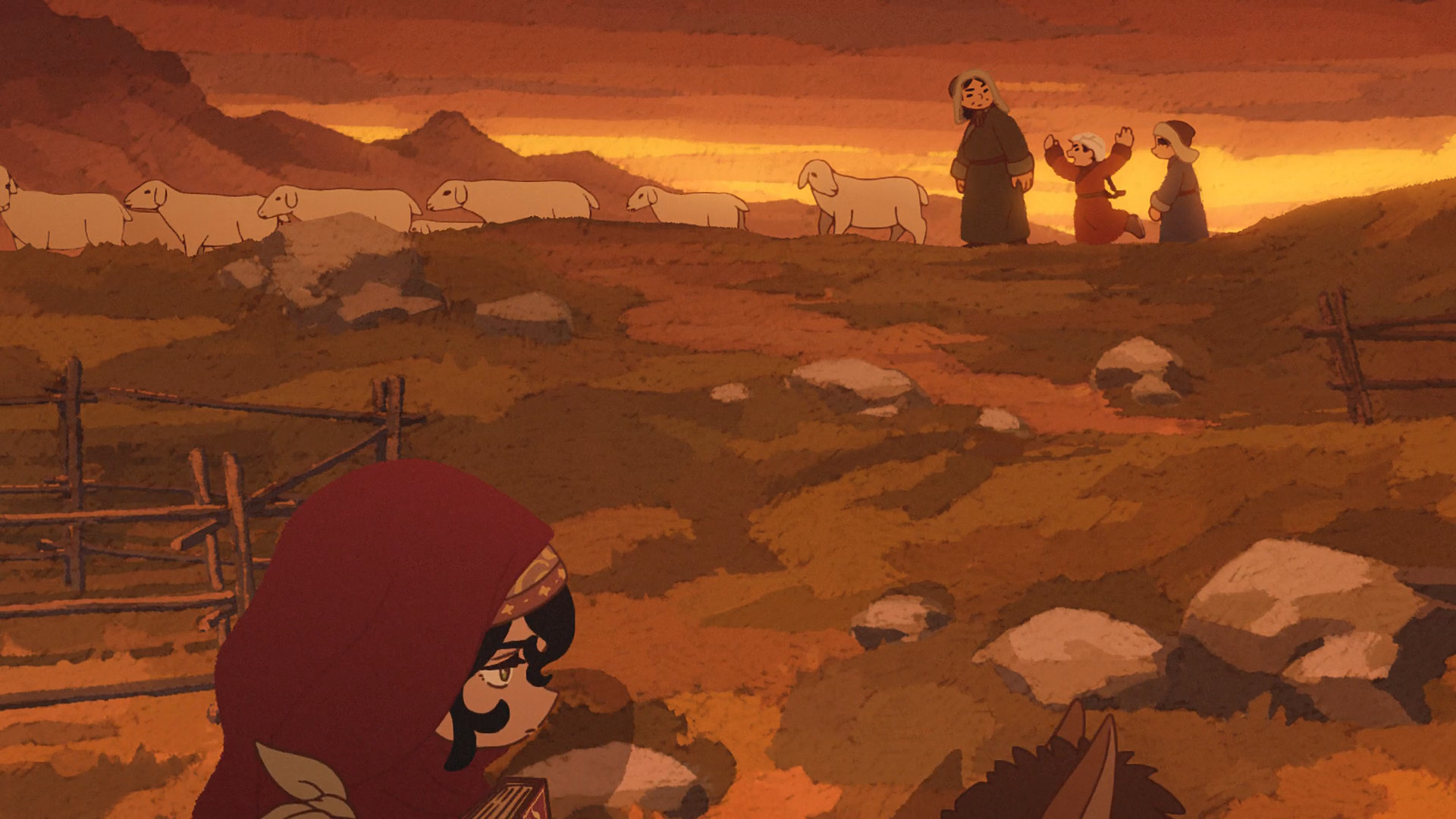
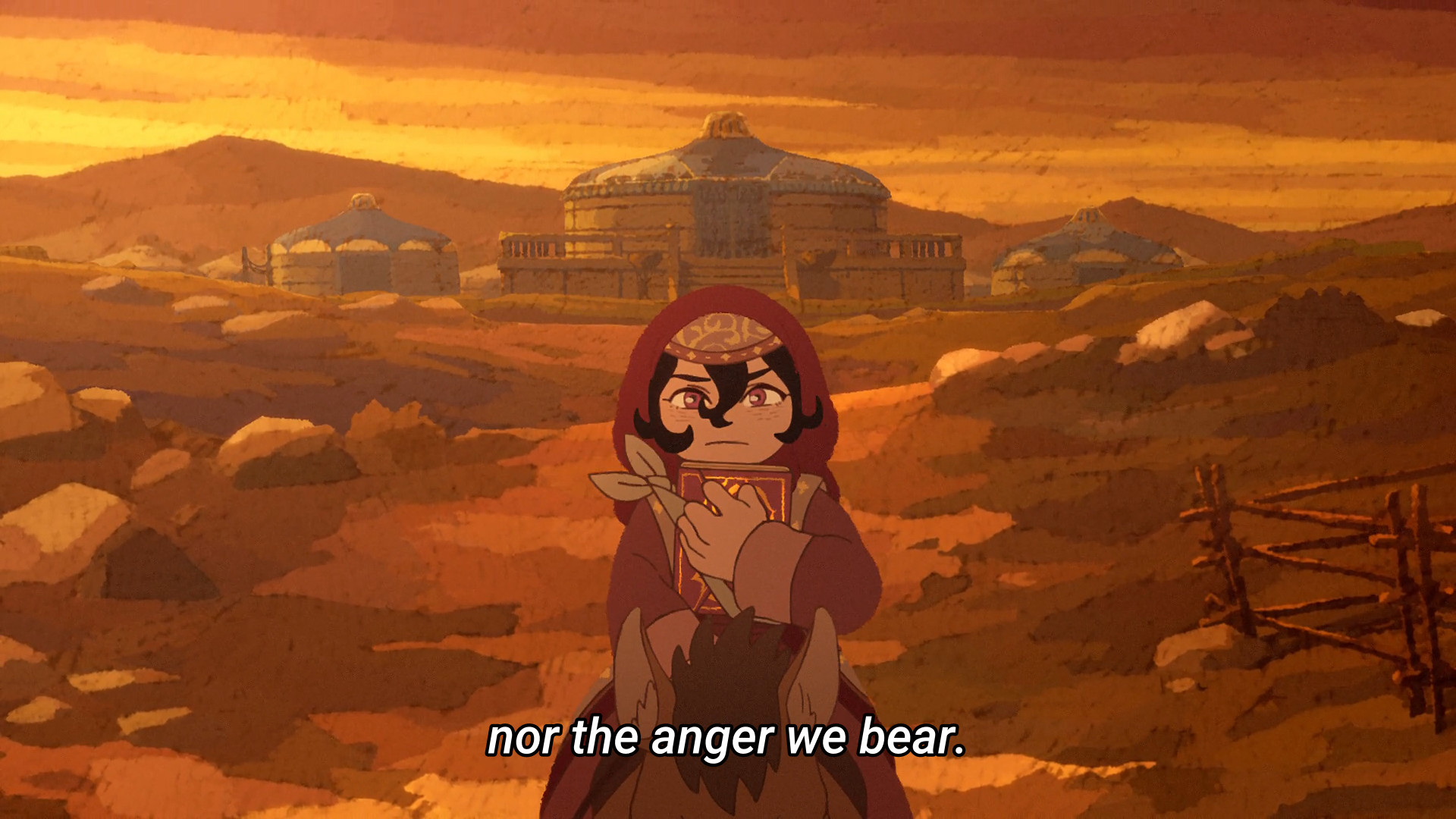
I love this shot in particular. In one direction lies the simple, pastoral life. Maybe she can have kids (our other prime directive as an animal), grow old, and tend to the sheep until her dying days. But no, she is headed in the opposite direction with Elements clutched to her chest. She embraces knowledge for all that it’s worth, but the book is more than that. It also symbolizes everything that she has lost as well as her hatred for the Mongols. And now that the tome is finally in her hands, she will never let go of those negative feelings, even if this leads her into a veritable storm of blood. That hate is now buried deep in her gut, slowly becoming a personal jada stone of sorts. But instead of being curative, it gives her clarity. She now knows what she must do. It’s also telling how the other woman is taking the high road whereas Sitara can only be seen from the head up. Her determination requires her to bury herself neck-deep her anger. And the funny thing is, it’s just a geometry textbook.
We see a short scene between Sorghaghtani and her sons. She certainly looks and sounds like she has lost all hope. But history tells us otherwise. She should also be one of the strong women in this story. Hopefully, this show won’t change that fact. I would actually love to see how Sorghaghtani picks herself back up and forges on. After all, she won’t be doing it with Sitara’s help.

But back to Sitara, before she can do anything, she needs to save Toregene. In order to do so, she locates Qadaq, who finally reveals his true master: Toregene’s firstborn son Guyuk. The guy, however, seems to have issues he needs to sort out before they can launch a rescue mission.
