
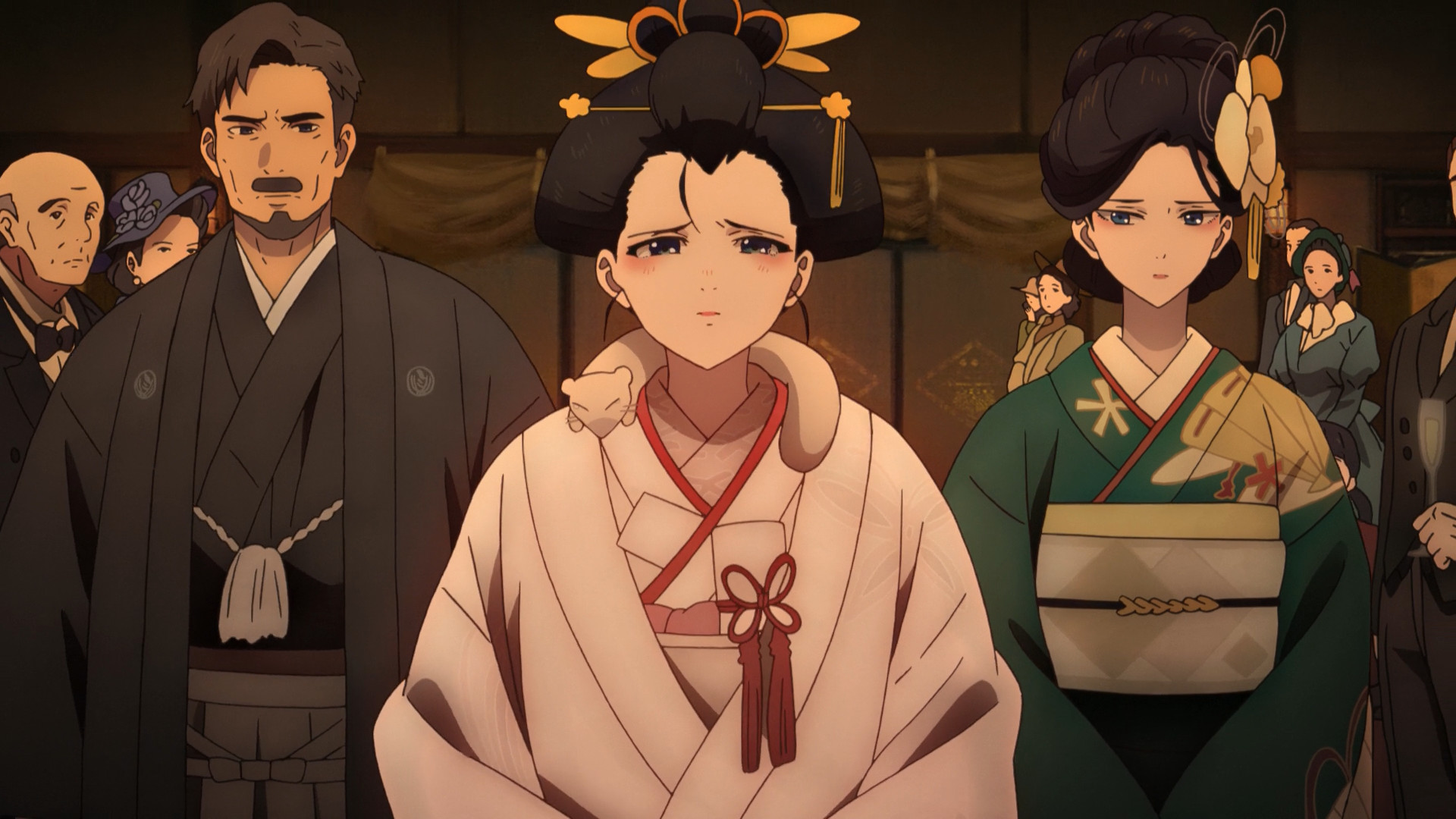
Seeing Yosuke towering over Inako at the ball to celebrate their impending marriage, the contrast couldn’t be more apparent. She’s decked from head to bottom in traditional Japanese wedding garb. He dons a flashy purple suit. The anxiety at the heart of the story has always been a steady undercurrent since the first episode, but never has it been laid bare like this for us to see: can Japan modernize without losing its national and cultural identity?
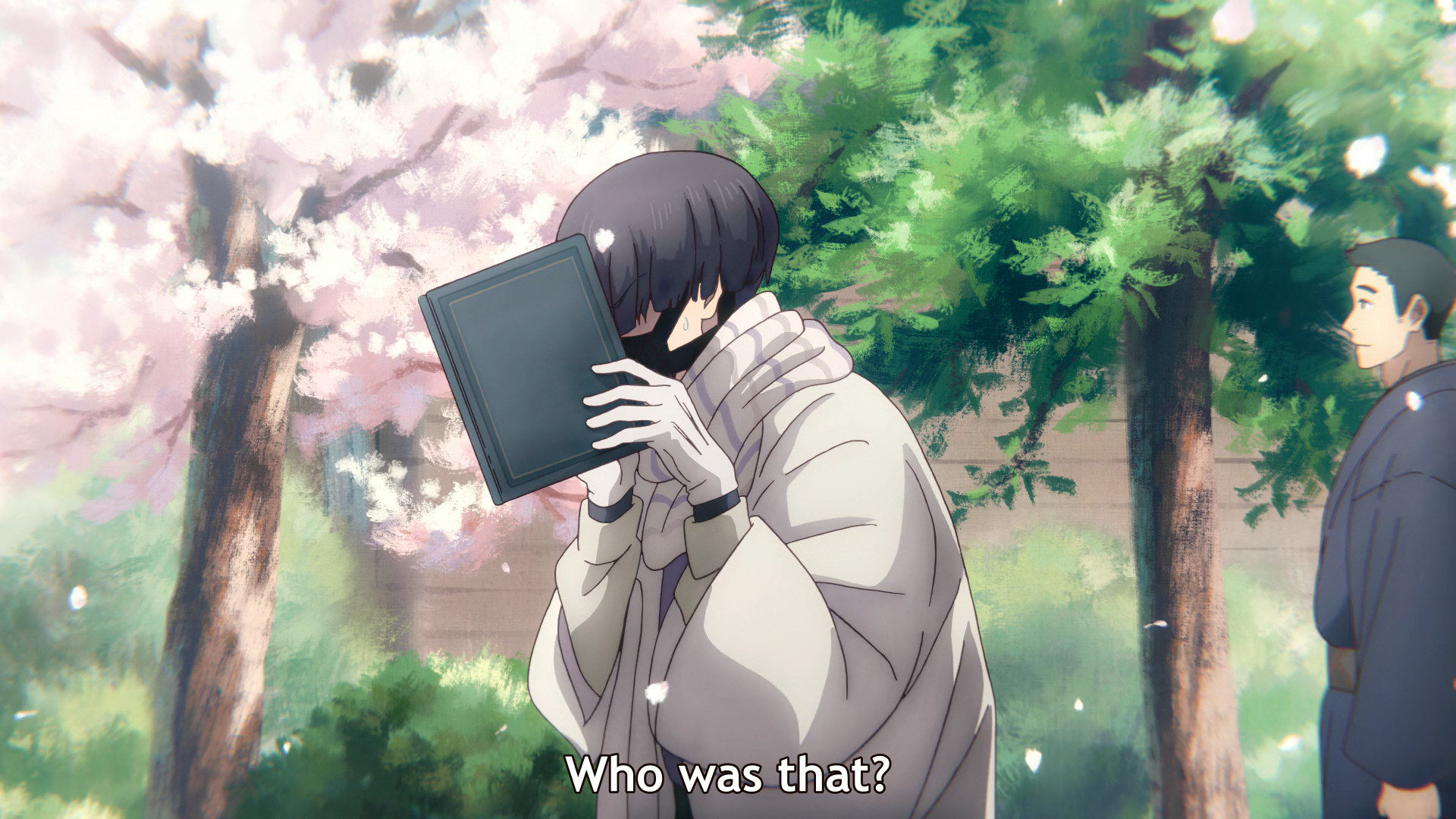
Both Yosuke and Kihachi essentially want the same thing — to fulfill Seiroku’s dream and usher in the Age of Electricity — but the devil is in the detail. Early on, Yosuke was alienated and ostracized from his family. He seemed to be a fearful, anxious boy, and he would freak out at the smallest thing (e.g., a tear in his glove exposing his skin to the world). Naturally, his family didn’t trust him to inherit the Mizoe Firm even though he was their only option as the sole male heir. The only person who would treat Yosuke with kindness seemed to be Seiroku, which probably explained why Yosuke fell at first sight.


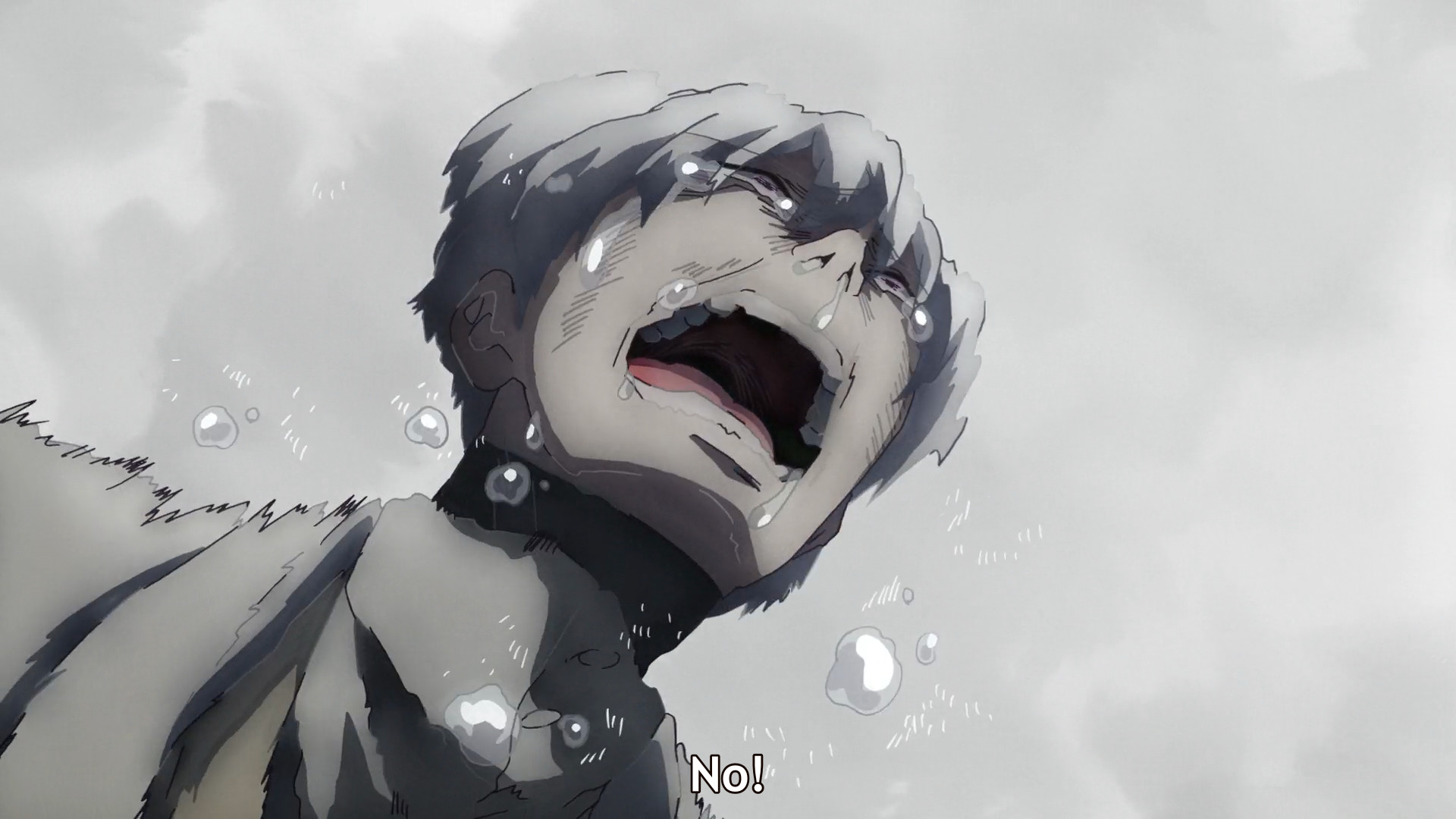
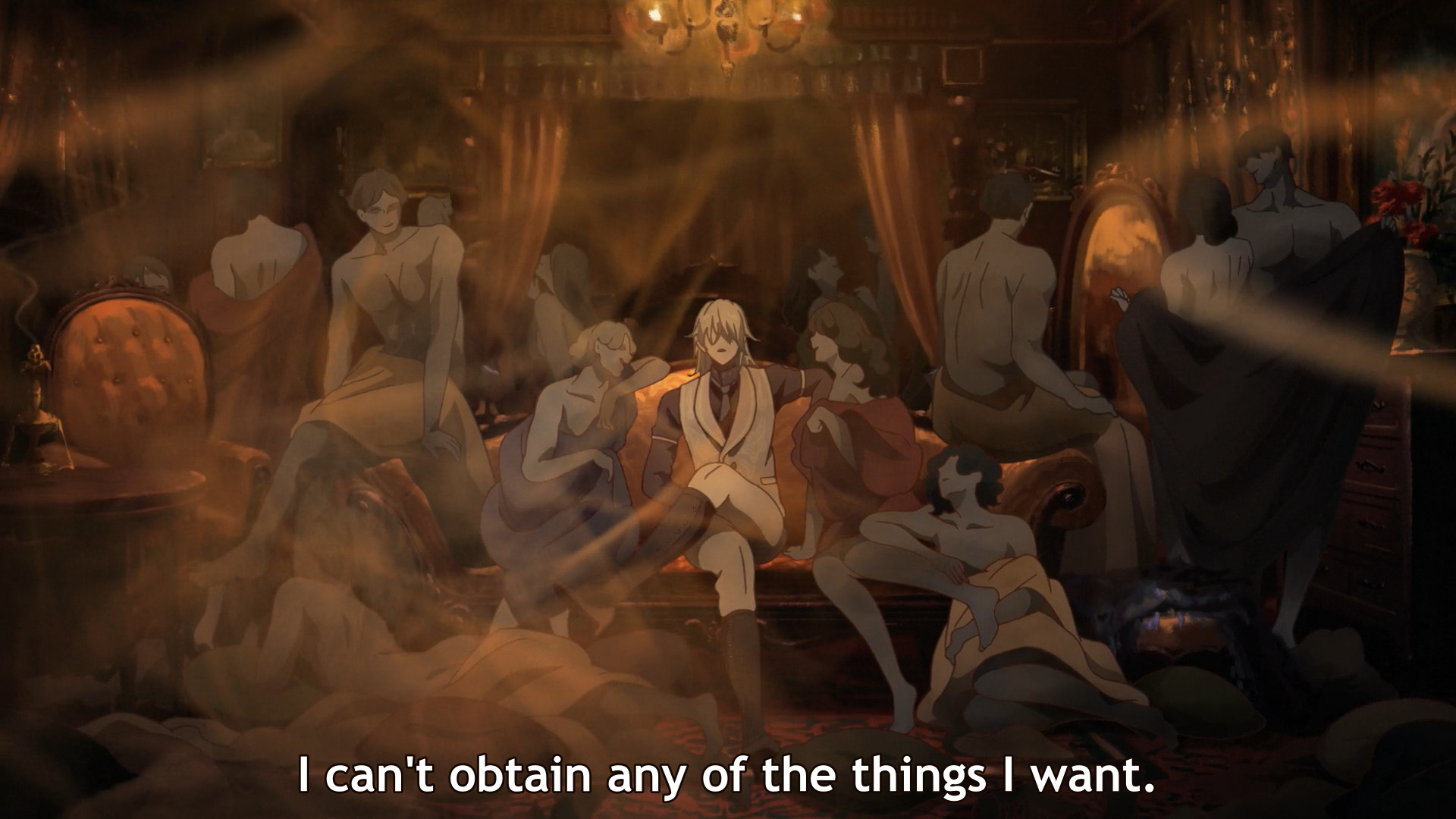
Even so, the young Mizoe heir always felt the need to go abroad — to America — in order to reinvent himself — modernize himself, if you will. Only then, he probably reasoned, would he measure up in his family’s eyes. But he still needed Seiroku to anchor him. He needed Seiroku to give this pursuit purpose and meaning. He wasn’t simply taking over his family’s firm because he’s the designated heir. He would do it for Seiroku’s sake. When Kengo returned from the war and delivered the bad news, it was as if Yosuke’s moral grounding completely collapsed beneath his feet. A large part of him died that day, and without purpose and meaning, the young man, now modernized from the West, also lost himself in the West’s debauchery.
This is also why he needs Inako’s family name. There is no love between them. Hell, Yosuke doesn’t want to get married either. She simply serves as a link to Japanese tradition — a link he lost a long time ago. Yes, on the surface, he arranged this marriage to Inako in order to infiltrate the Momokawa household. As I suspected, Noriko was more than likely Seiroku’s special someone, so he gave her half of the Electrical Catalog before departing for Europe. Yosuke needed to get his hands on her half, but she rebuffed him every chance she could. His only way in was to ruin her dear sister’s life. But what I will also contend is that Yosuke had gone too far in reinventing himself. As a result, he needed Inako simply to legitimize himself as a modern but still unmistakably Japanese man.
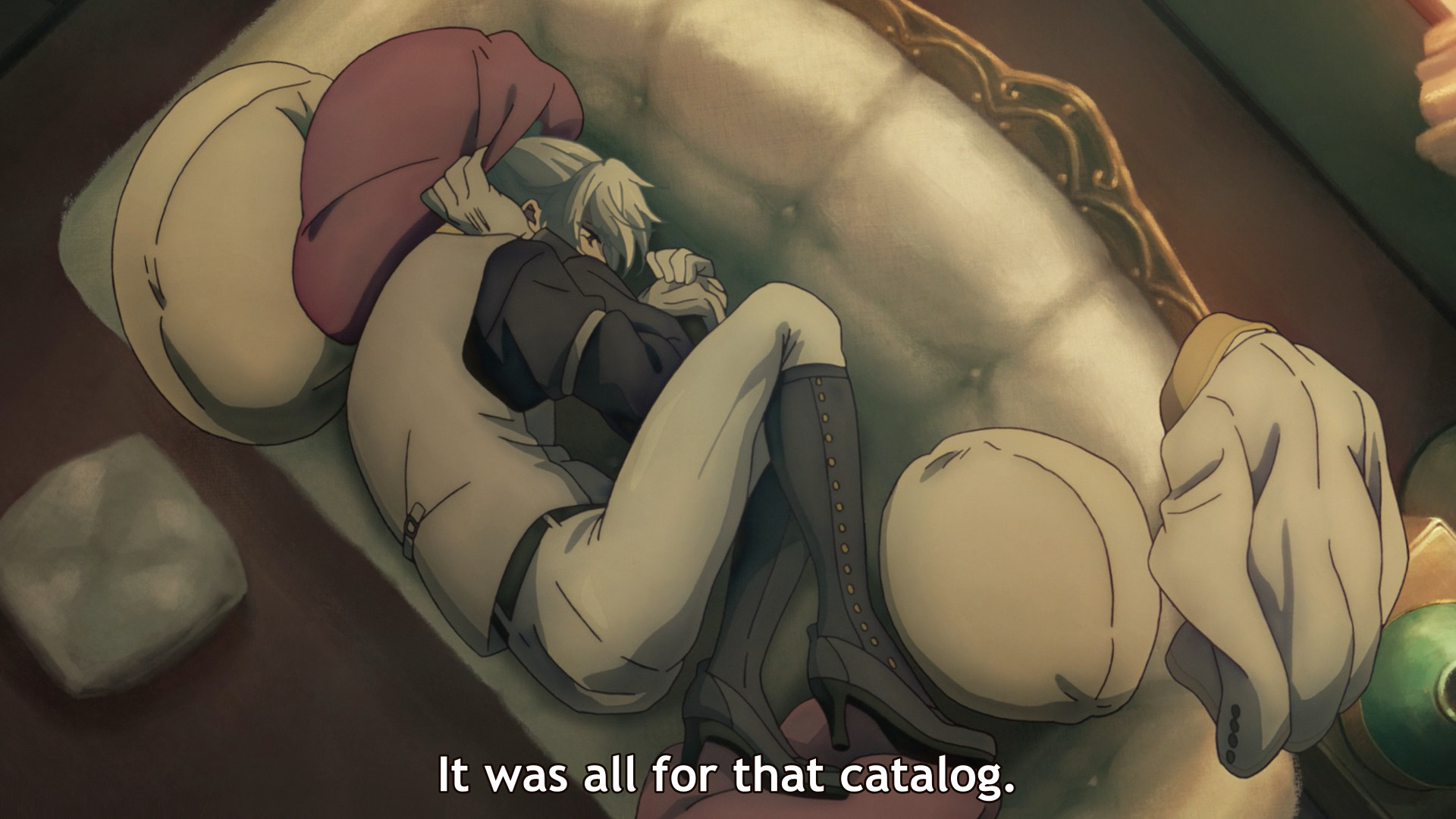
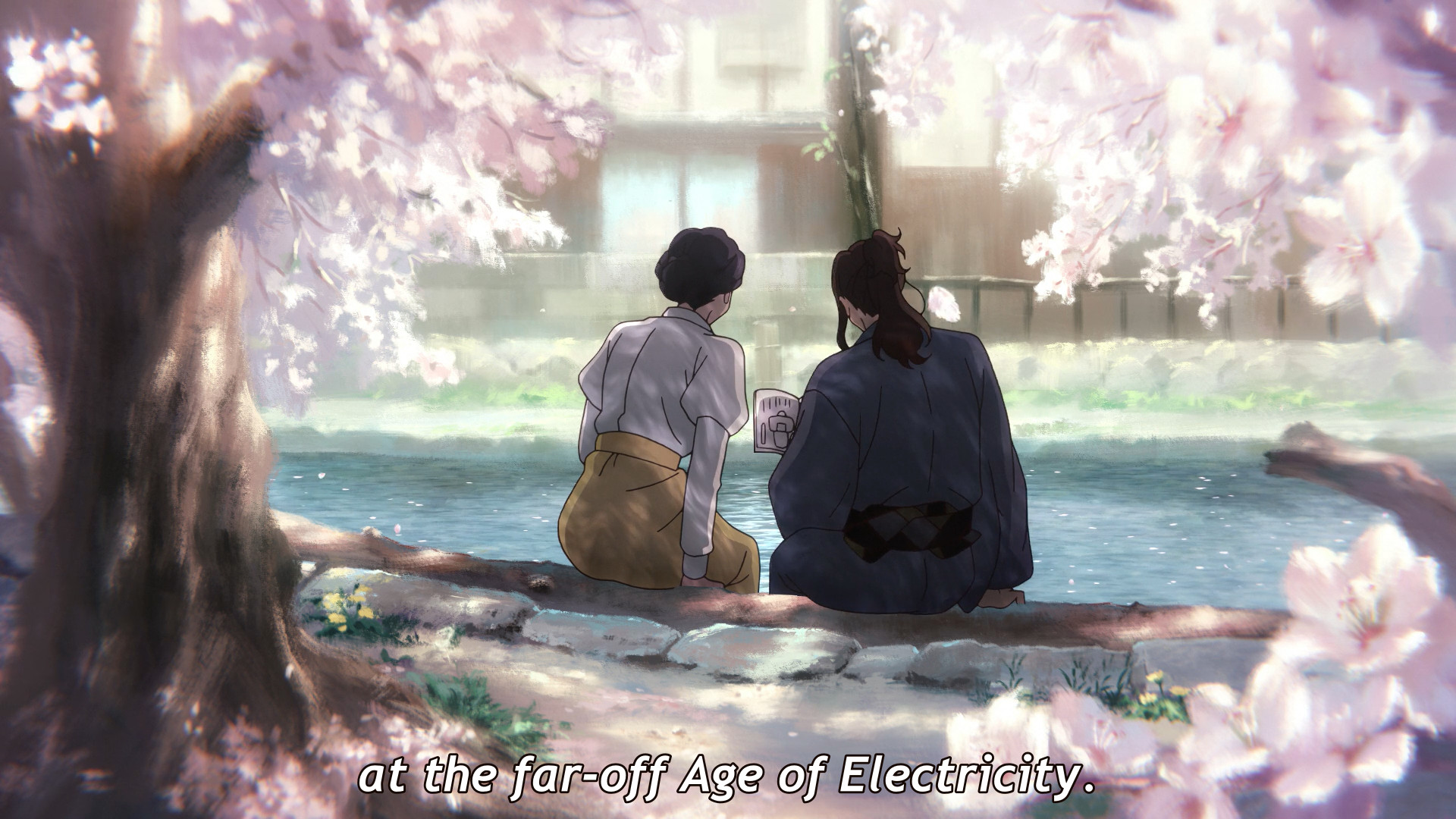


Unfortunately, Yosuke’s true intentions belie the image he wants to project. After all, his primary goal is to bring the dead Seiroku back to life. But he would not be reanimating Seiroku’s corpse, which is now probably lost somewhere overseas. Rather, Yosuke wants to use electricity to animate Seiroku’s double, a mechanical puppet. This sort of perversion reminds me of the anxiety facing Japan at the turn of the 20th century. The Meiji Restoration was just 32 mere years ago. While it re-established Imperial rule, European fingerprints can be found all over the new government and various institutions. This ultimately brought about a rapid modernization program for the country. Western scientific thought and rationalism were flooding in along with modern marvels. Scientist Nishimura Makoto would actually produce the first Japanese robot in 1928. If Yosuke had his way, he would predate this momentous event by two whole decades. But not everyone embraced modernity with open arms. Early Showa author Yumeno Kyusaku viewed science with much disdain:
“Science disregarded all things that were sacred, beautiful, and mysterious. . . . It investigated these mysteries to their cores and laughed at the fact that they were just calculations that can be reduced to electronic functions. It thoroughly analyzed people’s religious beliefs and declared that they were just egotistical expressions governed by +/-/0….Religion is a fraud. Art is self-centered. And love is nothing but a sex drive. It proclaimed this and was delighted.
Essentially, modernity, and specifically science, was seen as a Western import that was destroying Japanese culture. In Yosuke’s desperate need to revive Seiroku, he loses sight of the man’s true essence as a person. Even if he manages to render the puppet into a robot through electricity, it will still lack the one crucial thing that defined Seiroku: his spirit. Seiroku never wanted to usher in the Age of Electricity for its own sake. His purpose was always two-fold: to do so with his brother Kihachi, but to also bring Japan into the light. The key characteristic about steam throughout this series is how it covers the nation in a thick haze. Steam has enabled Japan to catch up to the rest of the modern world, but it literally makes people lose sight of the world around them — of Japan itself.
On the other hand, electricity is meant to drag the nation out of that haze and enable it to remember what it was and has always been. Tellingly, one of the first inventions in the show is a light bulb. Similarly, when Kihachi first broke Inako out of confinement, what he did next was to send them both high into the sky, i.e. above the steam. This allowed Inako to see Mount Fuji in all its glory and be reminded of her dream (taking over her mother’s brewery). Yosuke simply wants Inako as a Japanese prop to hide his soullessness. Again, there is no love here. This marriage is only for appearances. Modernity will come, but it must also be unmistakably Japanese.

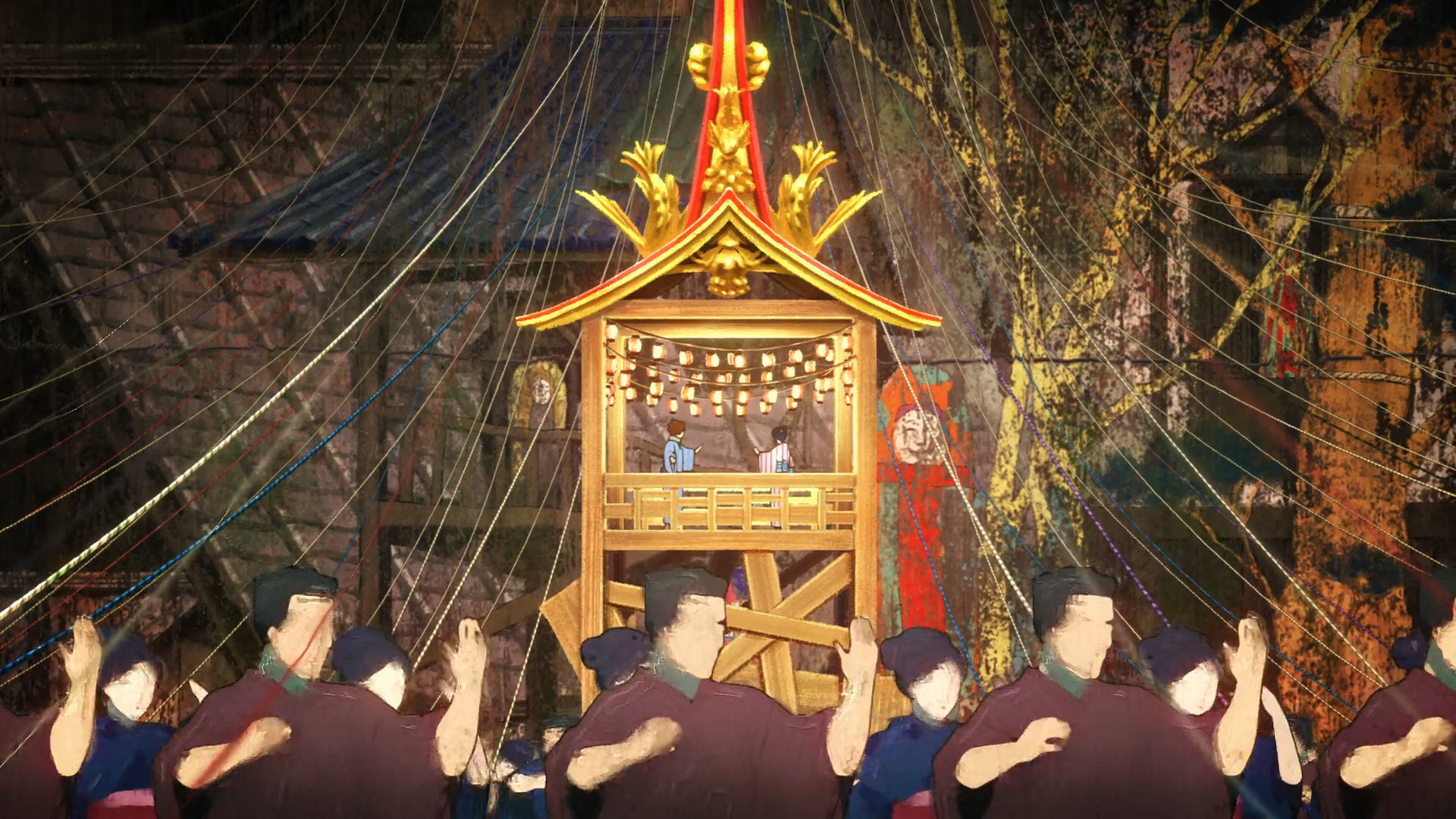
On the other hand, Inako isn’t just someone who believes in Kihachi and encourages him to pursue his dreams. She is a constant reminder of something his myriad inventions cannot lose sight of: their faith. Yumeno’s concern was that science dismissed religion completely as a “fraud.” Kihachi’s relationship with Inako shows that this doesn’t have to be the case. Rather, his inventions can bring them closer to and reaffirm their belief in the divine. The first time they met, it was his phonograph that made Inako think she could hear her Gracious Deity. In that same episode, his slide projector allowed her to glimpse Paradise as well as her late mother. When he invented a proto-telephone at Inako’s insistence, he enabled a grieving widow to finally get the closure she needed from her deceased husband. Whenever one of these inventions transports them to another realm — a transcendence of sorts — they do not find themselves in some alien modern world filled with tall skyscrapers. They find themselves in an unmistakably Japanese celebration. Every step of the way, the kid invents a modern marvel, but Inako keeps him anchored in tradition.
Kihachi is willing to give up the Electrical Catalog, because in his own words, “[i]t’s for the sake of moving forward.” He needs to eventually let go of his brother and move on. At the same time, however, he isn’t really sacrificing the past so much as replacing it. Inako represents both his past (tradition) and his future (her support). Kihachi will always have Seiroku in his heart — and sure, it would be nice to keep the Electrical Catalog too — but if he had to pick between one or the other, Inako’s an obvious choice. That is ultimately why Kihachi can’t allow Inako to sacrifice herself.
Of course, there are the compelling surface reasons: Inako clearly doesn’t love Yosuke, Kihachi probably hasn’t realized it but he’s probably developed feelings for her, he doesn’t want her to give up on her dreams, so on and so forth. But most of all, to move forward, we must also look backward. The world cannot stay the same forever, so tradition will still need to adapt. At the same time, however, Kihachi needs Inako to stay grounded — to come up with inventions not for the sake of science and science alone, but to enable the humanity within all of them. That is why Inako’s faith is so important to their relationship.
Stray thoughts & observations:
— If it needs to be said, I obviously don’t think the West is inherently bad, and I don’t think the show thinks this either.

— What a mess: Kihachi will give up the Electrical Catalog to save Inako from marrying Yosuke, but she now “wants” to get married in order to save Kihachi’s dreams. But that’s the thing: he doesn’t need the catalog in order to fulfill his dreams. All Kihachi has to do is explain this to Inako, and they would be golden. Alas, the curse of not communicating strikes again.
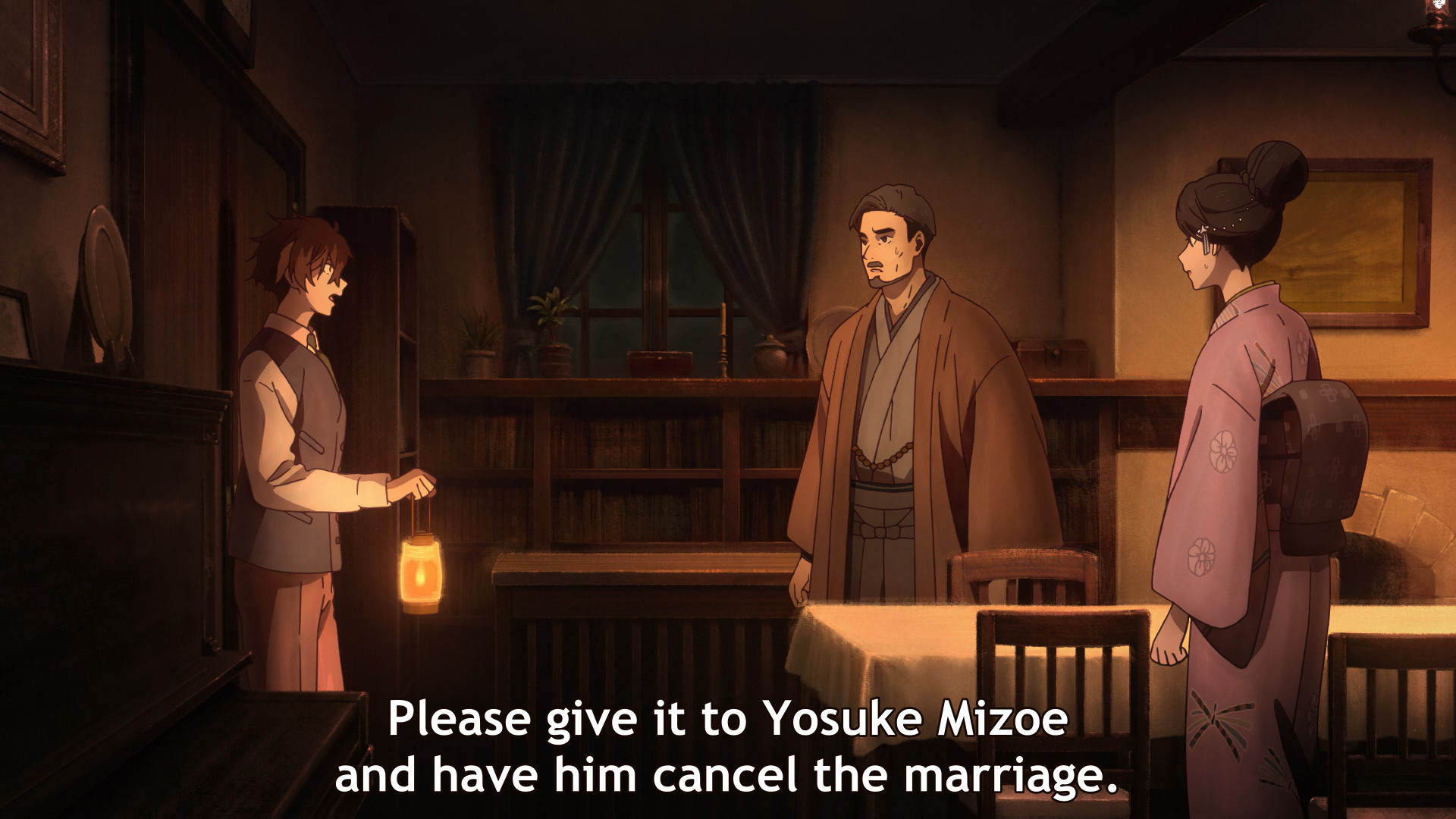
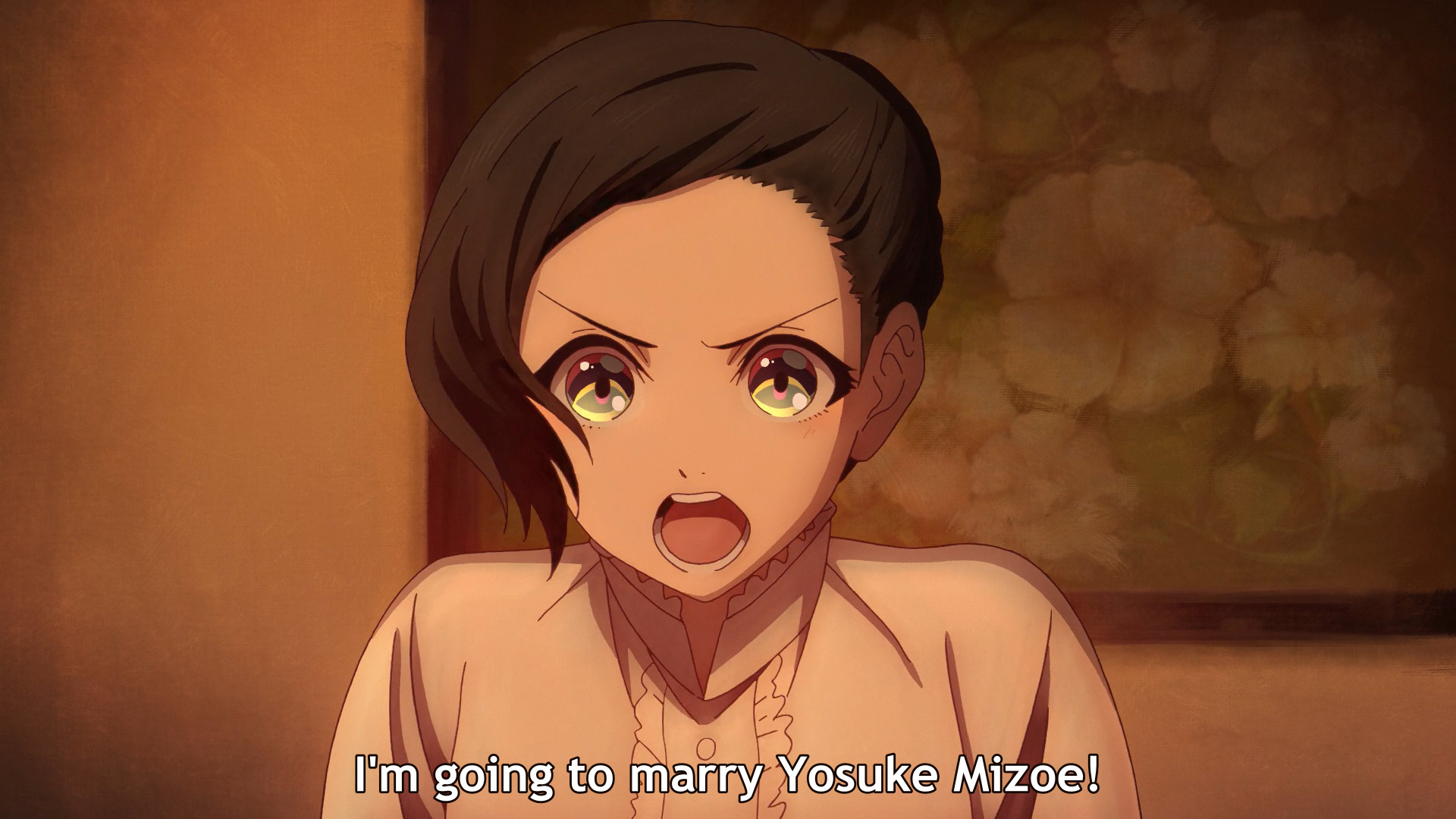
— Unsurprisingly, Jinemon is confused when he hears that his younger daughter might have hopes and dreams. Not only that, he goes along with the original plan even though Kihachi is now willing to give up the catalog. It doesn’t occur to him that he could set his daughter free by accepting the boy’s offer. He has been a shit parent through and through.
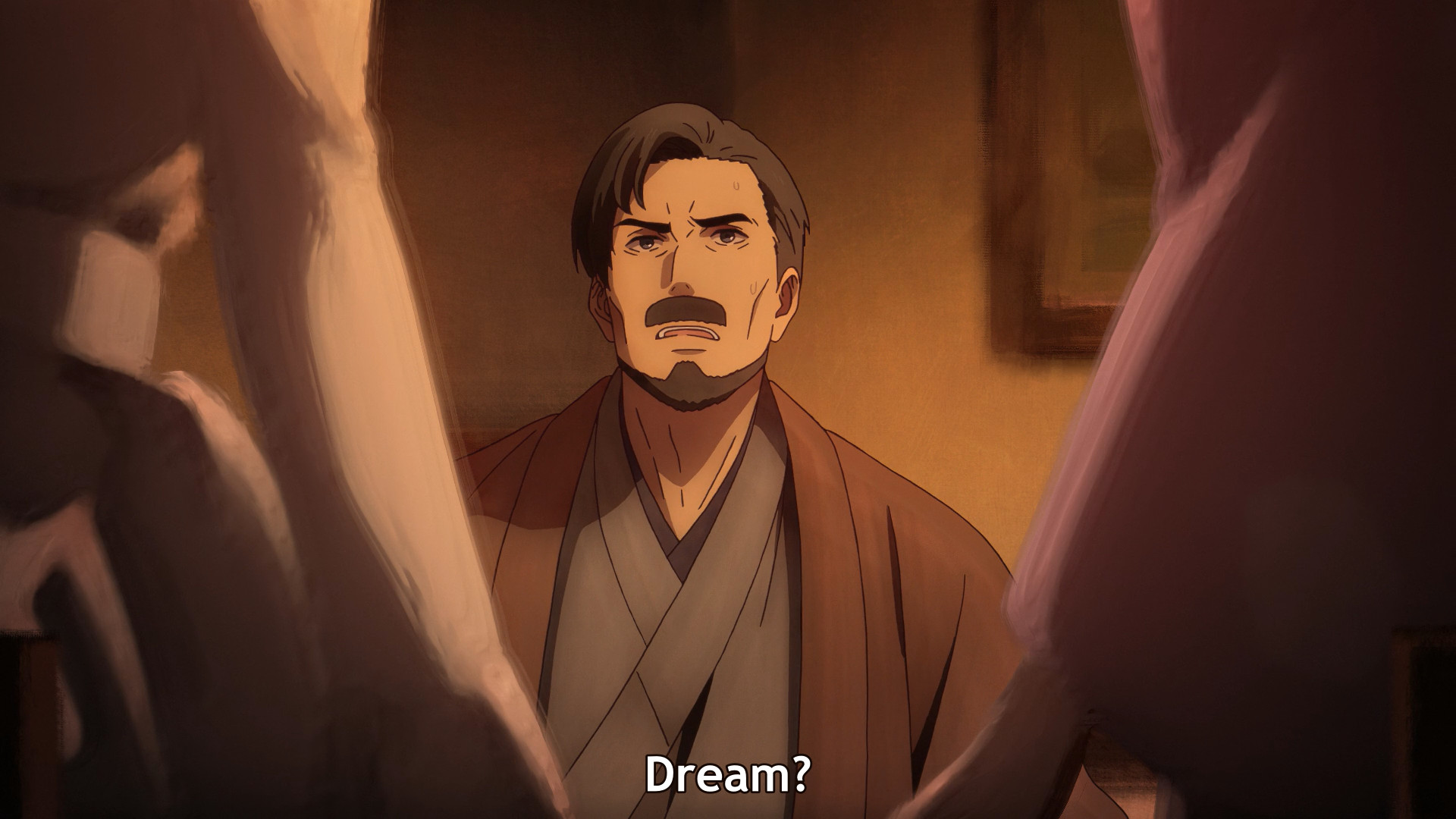

— Noriko continues to perplex me. She tells Kihachi not to come to the boat, but she knows that her sister doesn’t want to marry Yosuke deep down. I mean, just look at the poor girl. Does this look like someone who is happy with their decision? So is Noriko subtly trying to motivate Kihachi by telling him not to come? I would like to think so, but this is also the same woman who helped her father locate the kids when they ran away… after she helped them run away in the first place! What exactly does Noriko want?

— Saki tags along with the wedding party, and she seems to have a history with Yosuke. He is not happy to see her. I’m not exactly sure what’s going on here. I considered for a second that they might be siblings, but no… it can’t be, right? I probably missed some crucial detail since I have been so hellbent on analyzing the show in other ways.
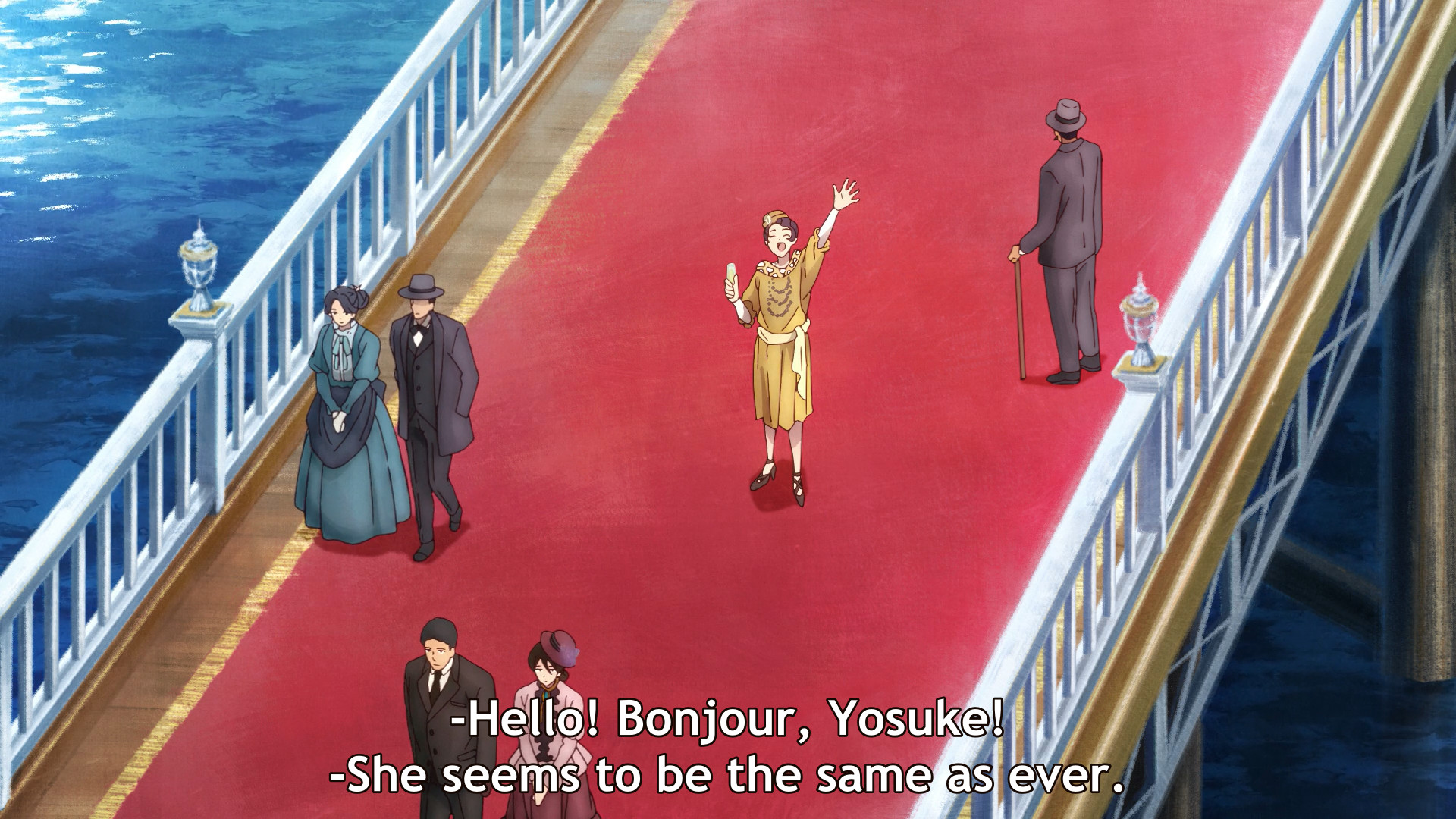

— Again, the contrast between modernity and tradition is striking. Yosuke’s large steam-powered ship is filled to the brim with folks dressed in Western finery. Meanwhile, Kihachi, Inako’s best friends, and Kengo chase after them in guises that make them look like Japanese peasants. Not only that, they have to reach Yosuke’s ship through (Kengo’s) sheer manpower.

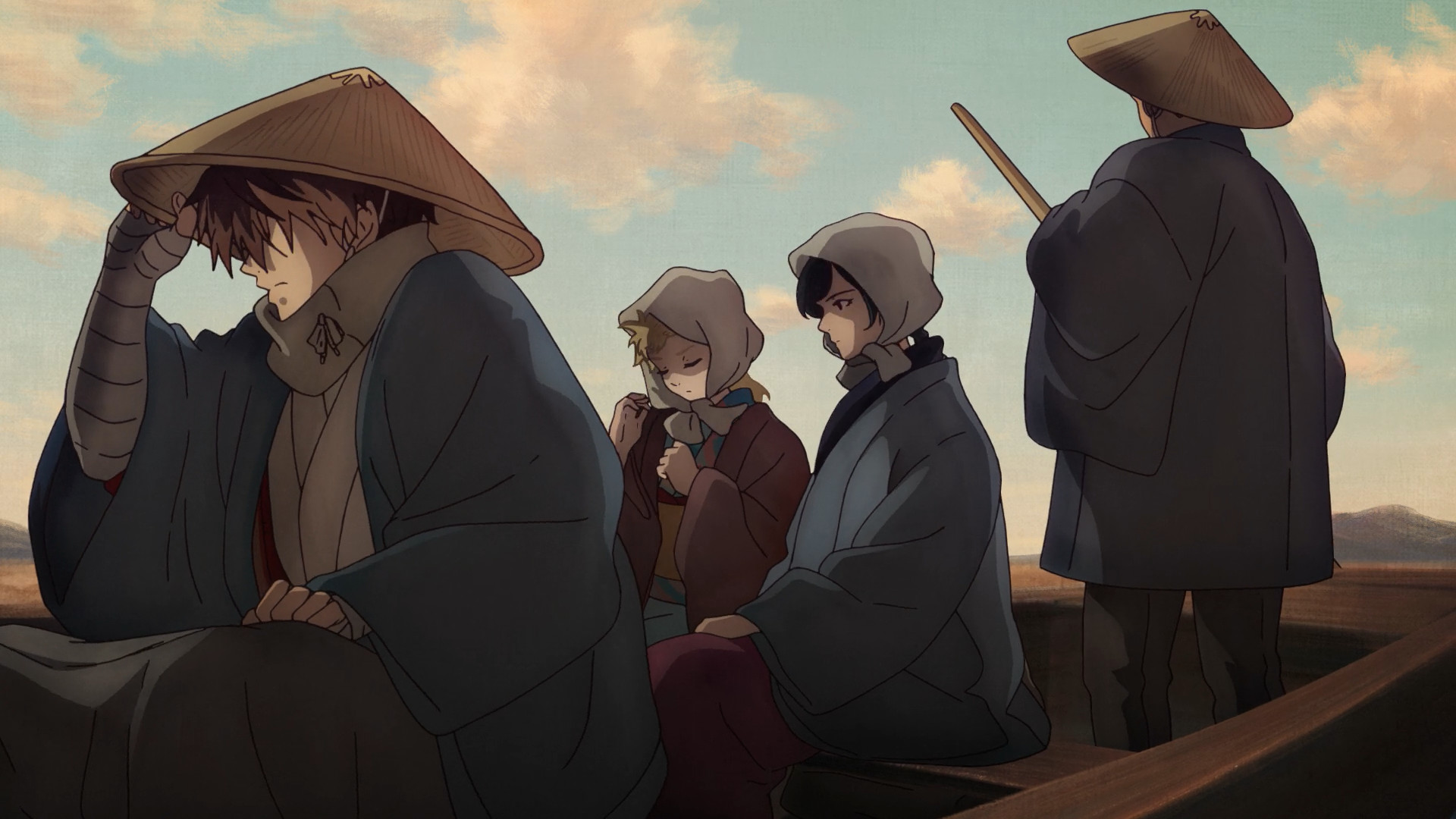
— Inako looks like she’s been crying. Hell, she’s still crying.
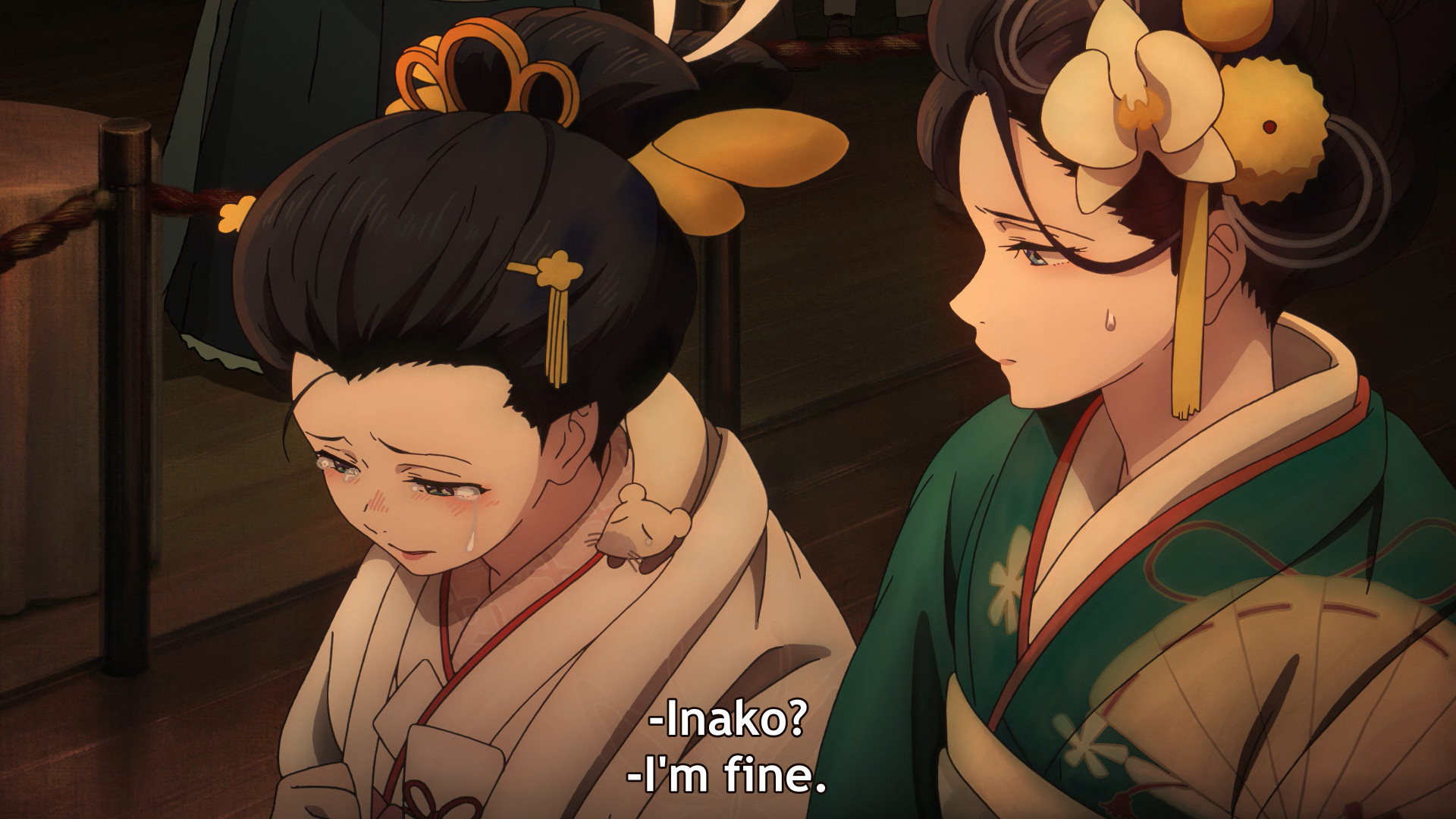
— And what is marriage if not the ultimate affirmation of faith between two couples. In theory, anyway. In practice, eh….
— Kihachi’s party eventually reaches Yosuke’s ship, but in the end, they have to leave Kate and Yuzu behind, so I’m not exactly sure why they even tagged along to begin with. For moral support? I guess…


— Why do we see Yosuke dancing with Kihachi in drag? Well, again, he never truly wanted to marry Inako. He only ever loved Seiroku, and in his delight — Yosuke is on the cusp of achieving his goals after receiving the Electrical Catalog — he mistakes the younger Sakamoto brother for the deceased older one. And who could blame him? But in Kihachi’s defiance, the illusion immediately falls away, revealing the horrible truth that Yosuke has tried to deny since the day they first met: with Seiroku gone, the next closest thing is not a puppet in his likeness but his own flesh-and-blood brother. And yet Kihachi is his own person, so he is a stark reminder that Seiroku is truly gone. Yosuke can’t accept that yet.
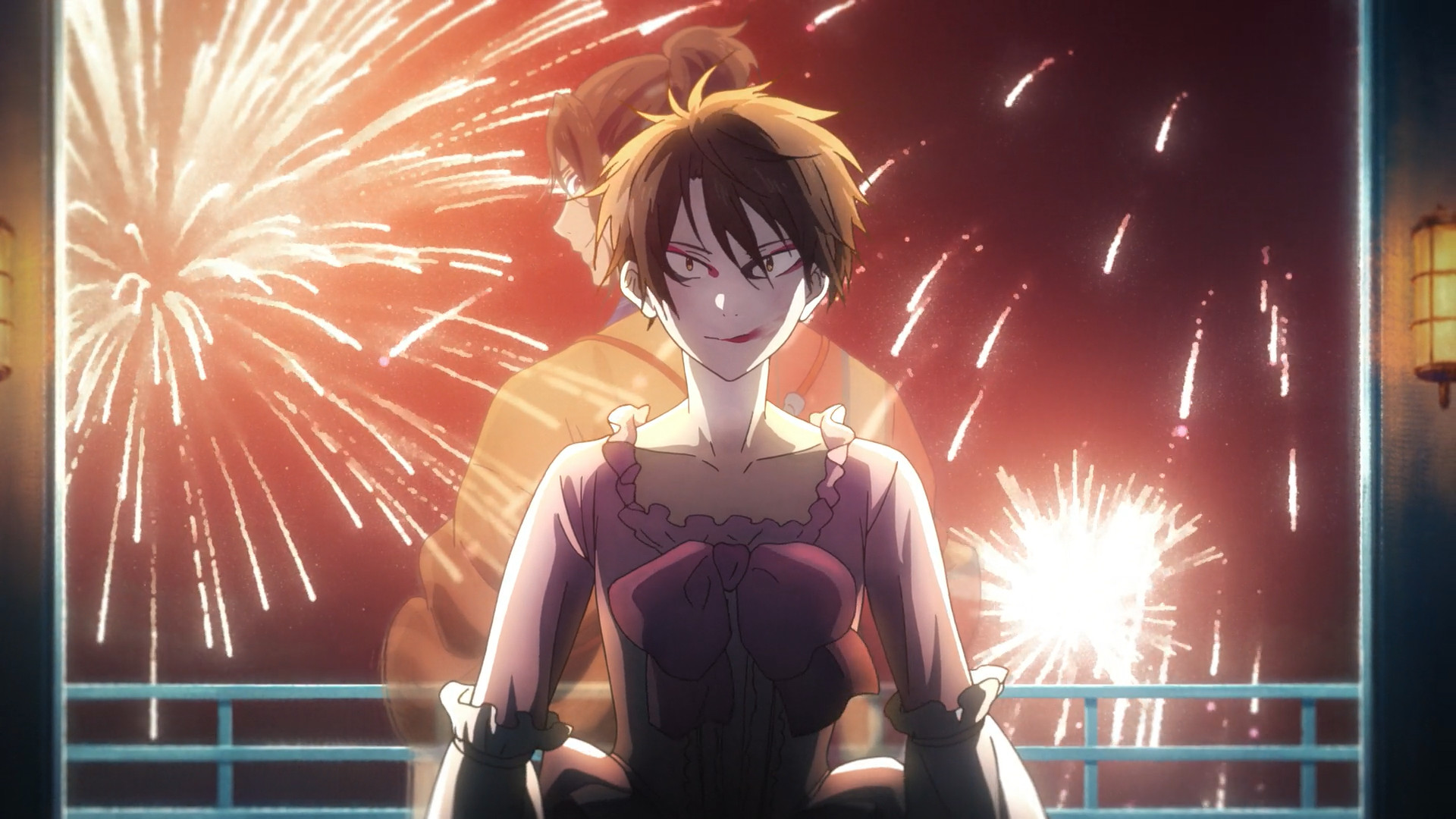
— It’s only episode nine, but I feel like there shouldn’t be much story left. I’m curious to see what happens next, because if this is a standard 12 or 13-episode series, it has to be something big.