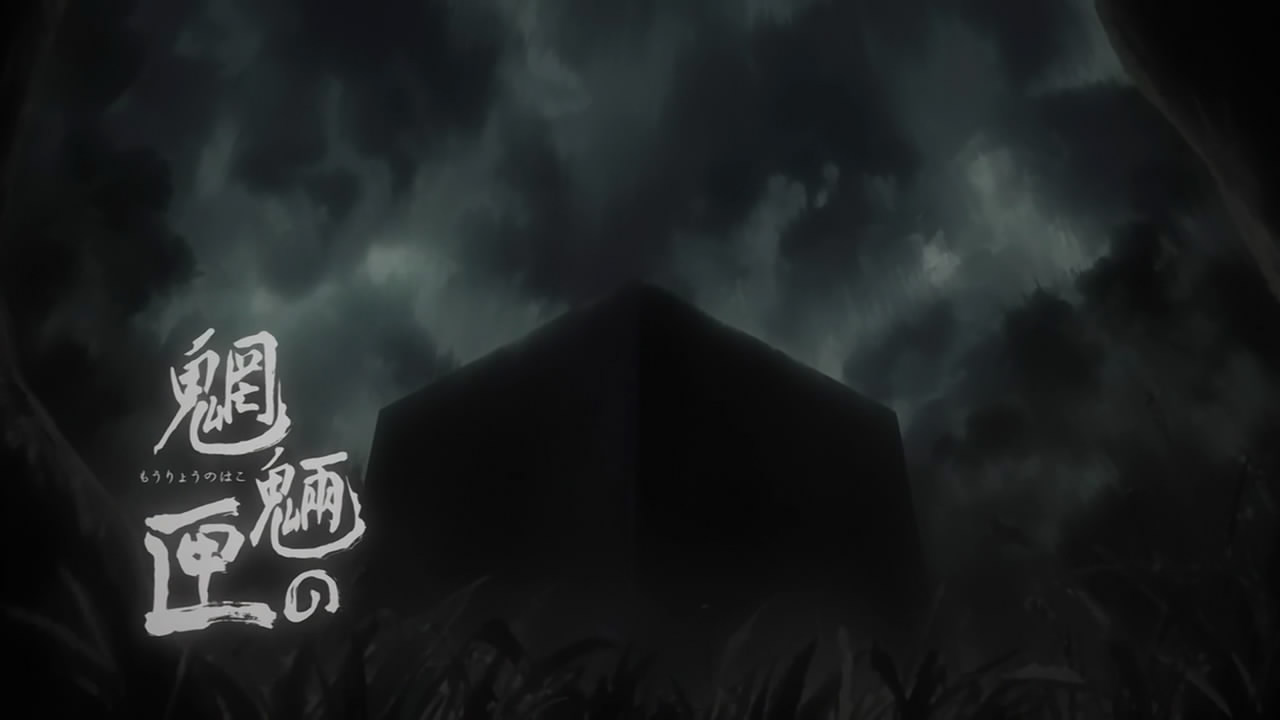
Moryo no Hako is actually a winter anime (the last episode aired on the 30th of last December), but it remains unfinished by fansubbers and that’s a damn shame (cause we really need like NINE different groups subbing Haruhi). I’m writing this entry to urge you to give Moryo a shot because it’s an absolute gem.
Here’s the quick synopsis from ANN:
The story follows a series of bizzare murders of schoolgirls who have been dismembered and stuffed into boxes. The private investigator hired by a missing [daughter’s] mother joins forces with an antique book seller and others to unravel the murder spree.
Yep, stuffed into boxes.
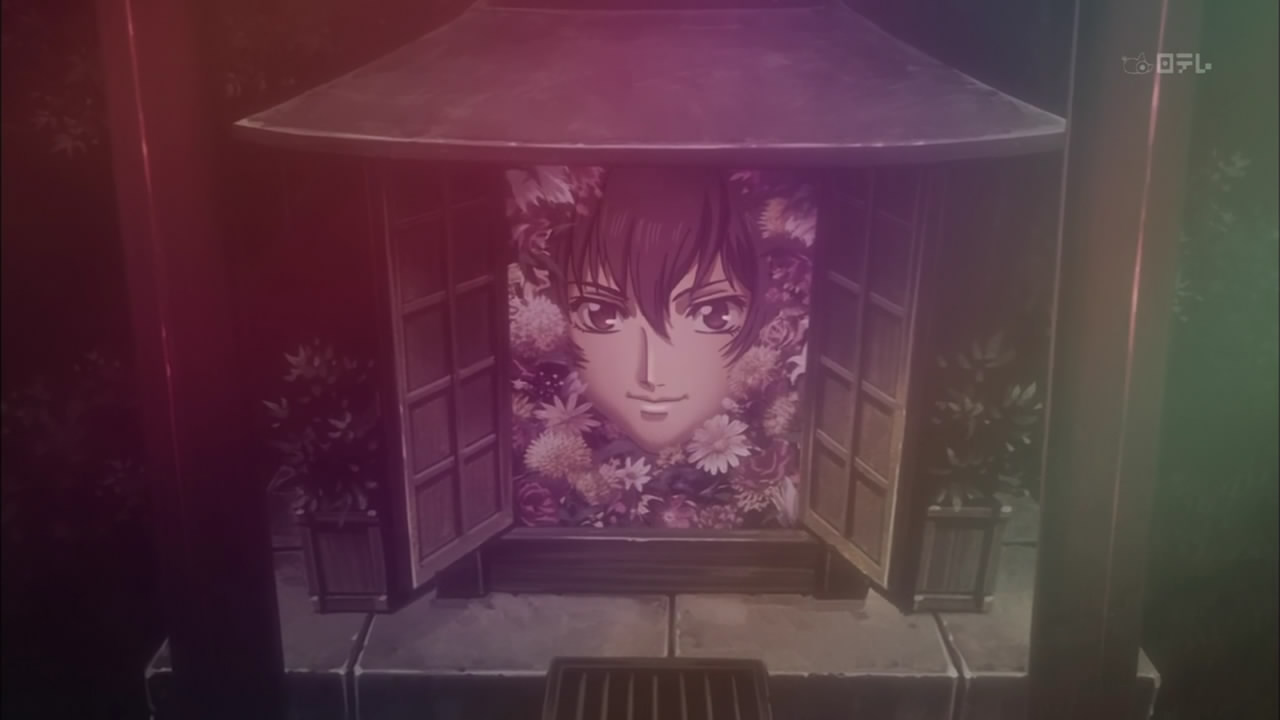
I’ve mentioned it before in the “Umineko Ep. 2″ entry, but I love mysteries. Moryo, however, is a far cry from Umineko’s lame boob jokes and pathetic loli crying (uuuuu~). Based off a novel by Kyogoku Natsuhiko, Moryo is a full fledged mystery full of red herrings and thoughtful discussions, and when I say thoughtful discussions, that is a huge understatement. Two whole episodes (6 and 7) feature nothing but three men sitting around a table talking about not only the murder case and its multiple connections to shady individuals, but also the nature of hustlers and the evolution of the word ‘moryo.’ Seriously, that’s a gutsy move for any animation studio.

But you know what? The conversations are gripping and fascinating as all hell. I’ve championed the visual side of anime a lot recently because I think a lot of anime fans lose sight of what anime can do as a visual medium. At the same time, however, I don’t necessarily dislike story development or smart dialogue (what I dislike are typical shounen power fantasies and anime shipping). Beyond the first episode of Moryo, you won’t find a single moe element or an ounce of fanservice and the first episode barely indulges in them anyway. This anime is, first and foremost, about the serial murder case and not about anime personalities.

What particularly impressed me was the use of goblins (moryo) and boxes (hako) as recurring motifs throughout the entire series. Their bigger significance concerning the entire show, as well as other themes, might be explored in a future entry (not here since I don’t want to spoil the plot just yet), but for now, what they lend to Moryo is a sense of connectedness between different scenes and different shots.
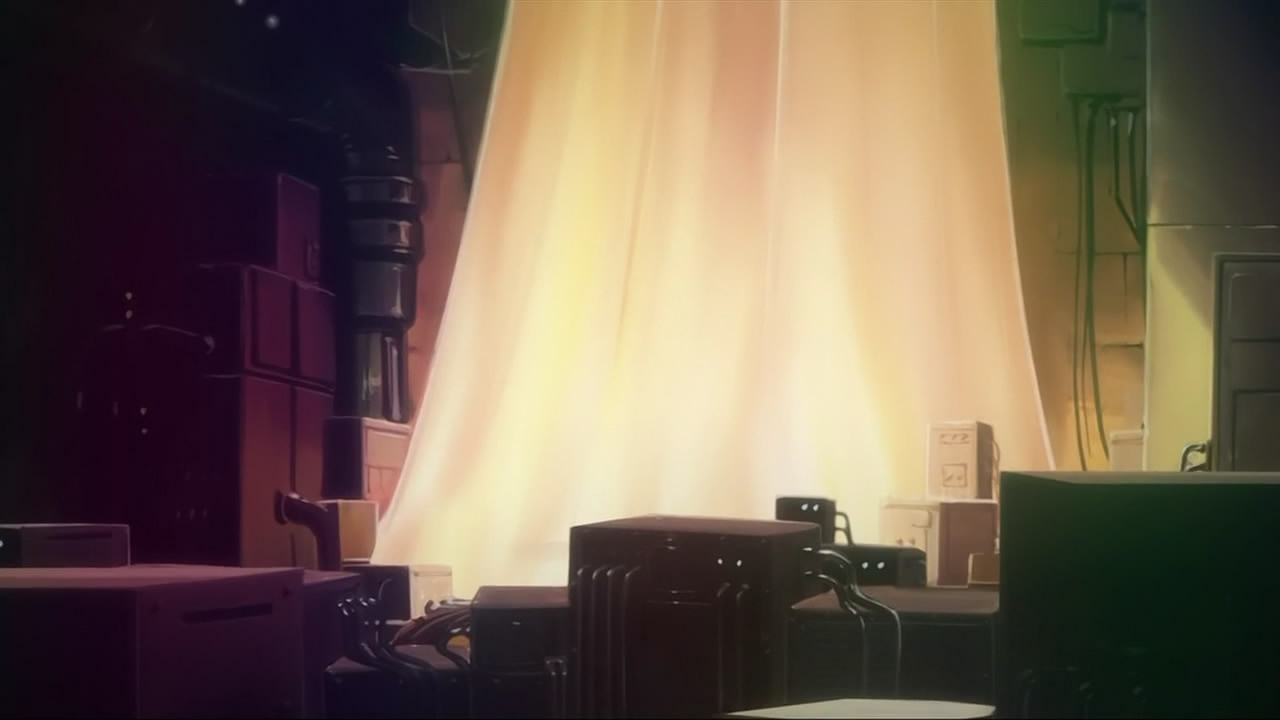
The anime never lets up and it all adds to the heightened sense of surrealism as one continues to wade through the show’s mysteries and clues. What surrealism? Visually, Moryo is stunning for its abstract shots.
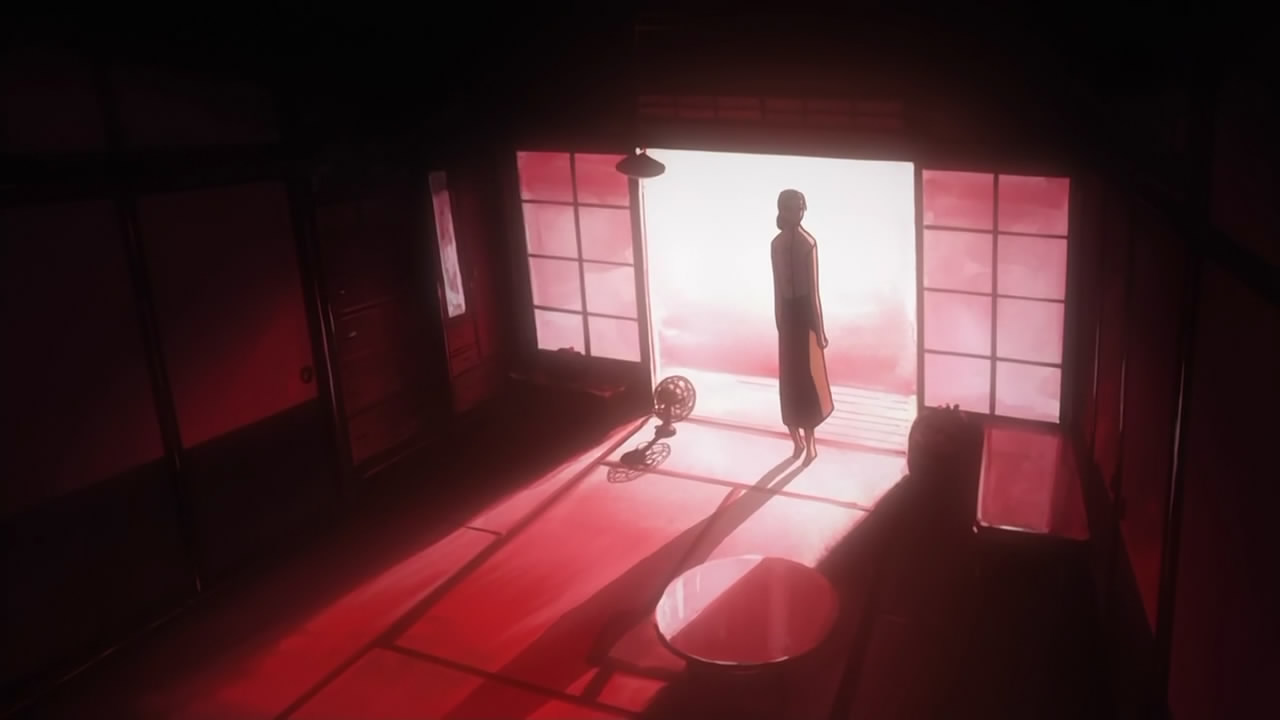
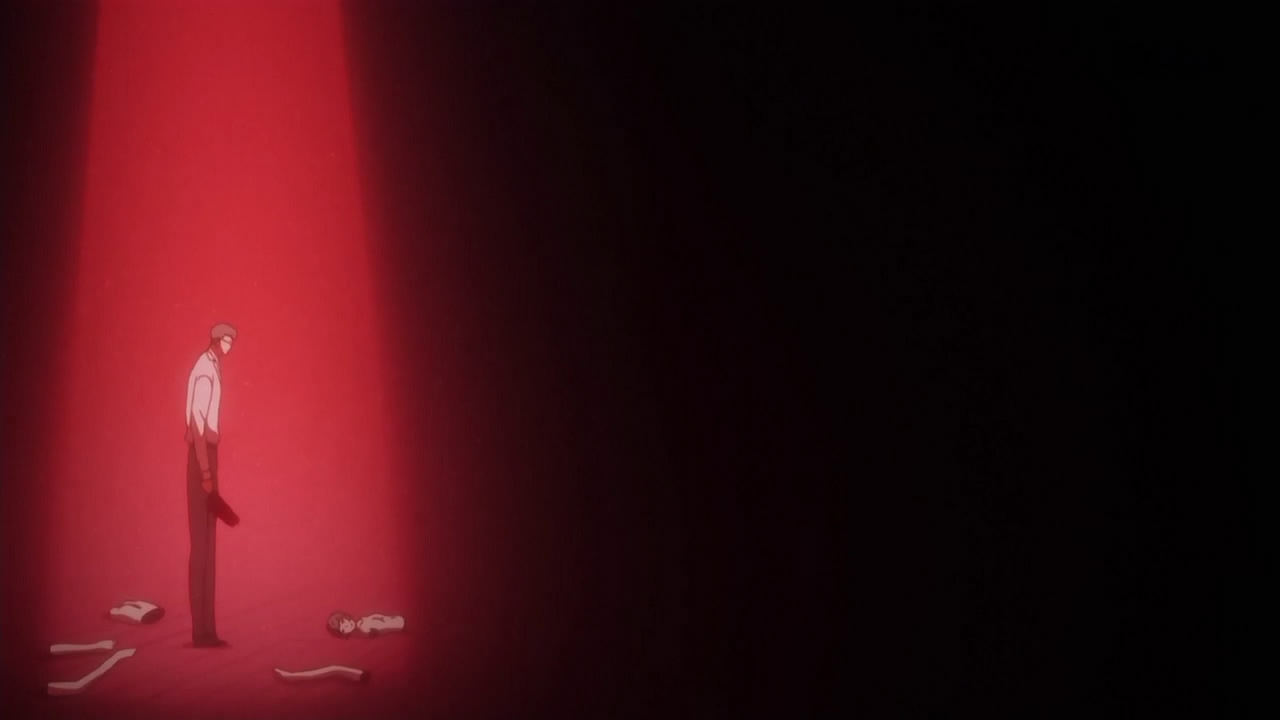
No, the scenes aren’t full of details but sometimes less is more. The shots are never cluttered, always expressing the perfect mood and tone for a mystery like Moryo. Madhouse, the animation studio responsible for Moryo, took multiple liberties, in fact, as the show transitions continually in and out of dream-like moments, straddling the line between the subjective and the objective.
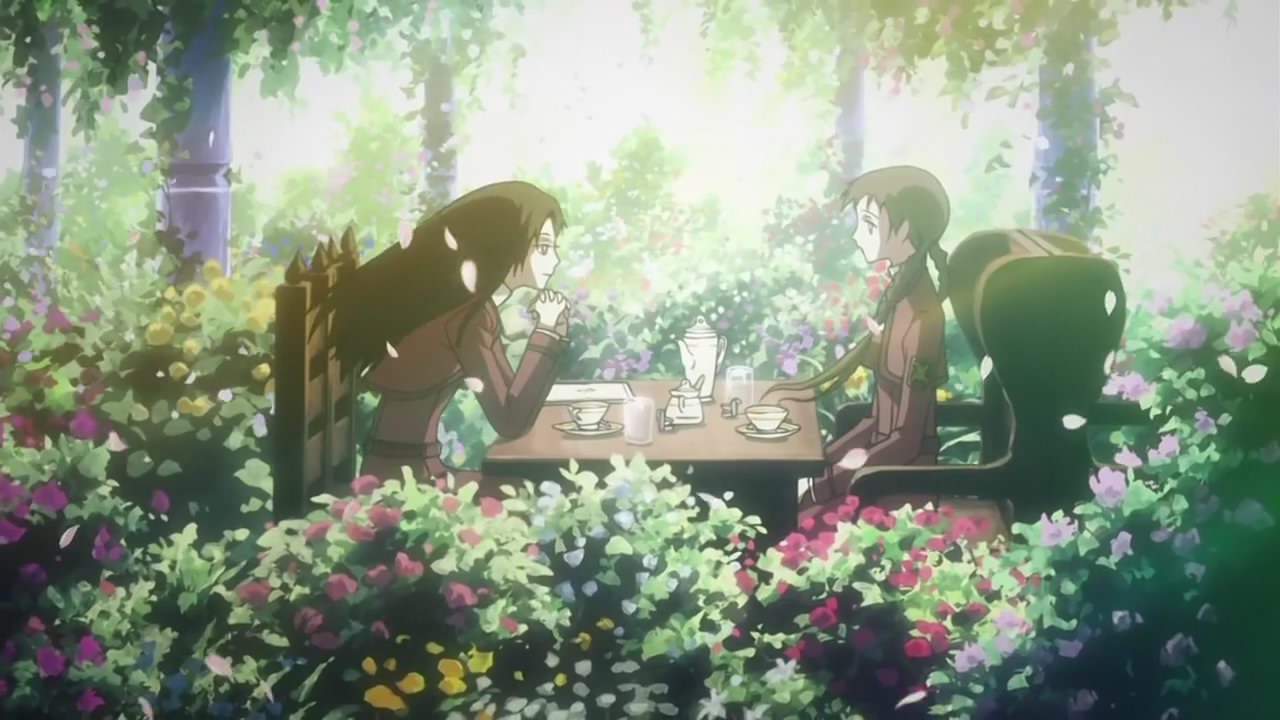
The distinctive lines of reality are always blurry as the fantastic ebbs and flows through each scene, lending an unsettling sense to the big picture–one feels that many of the characters on screen aren’t quite mentally stable.
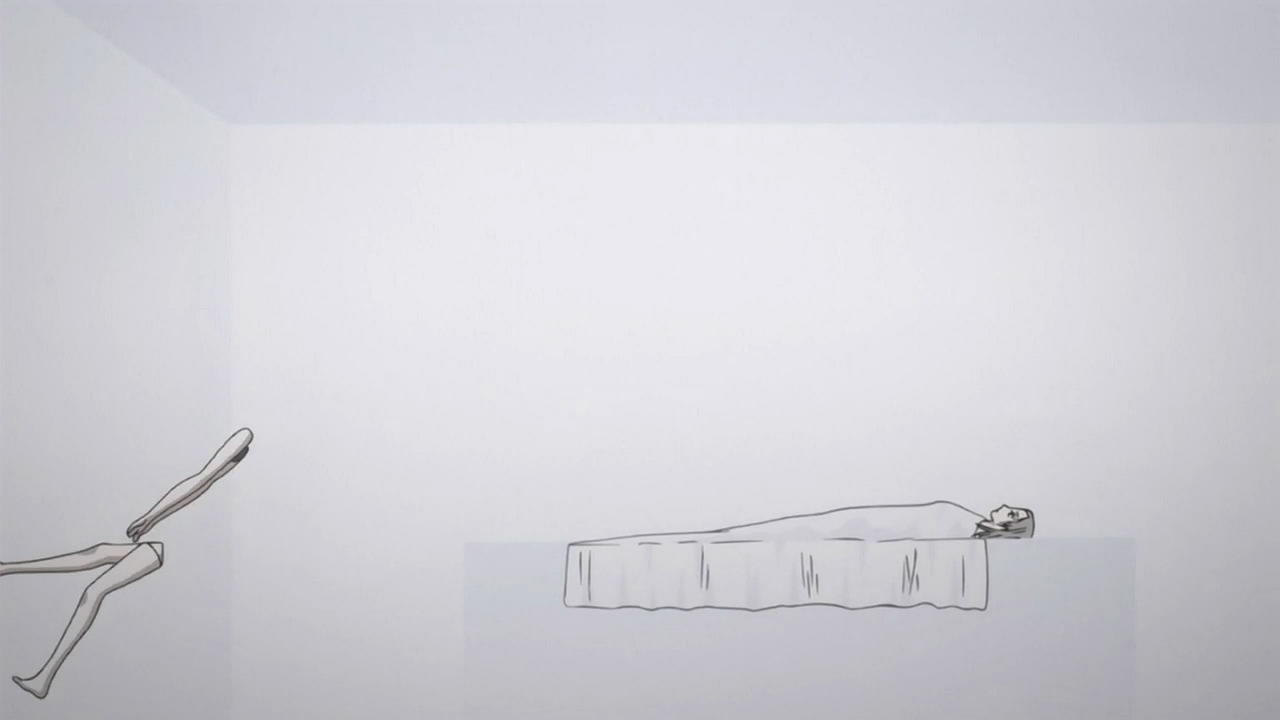
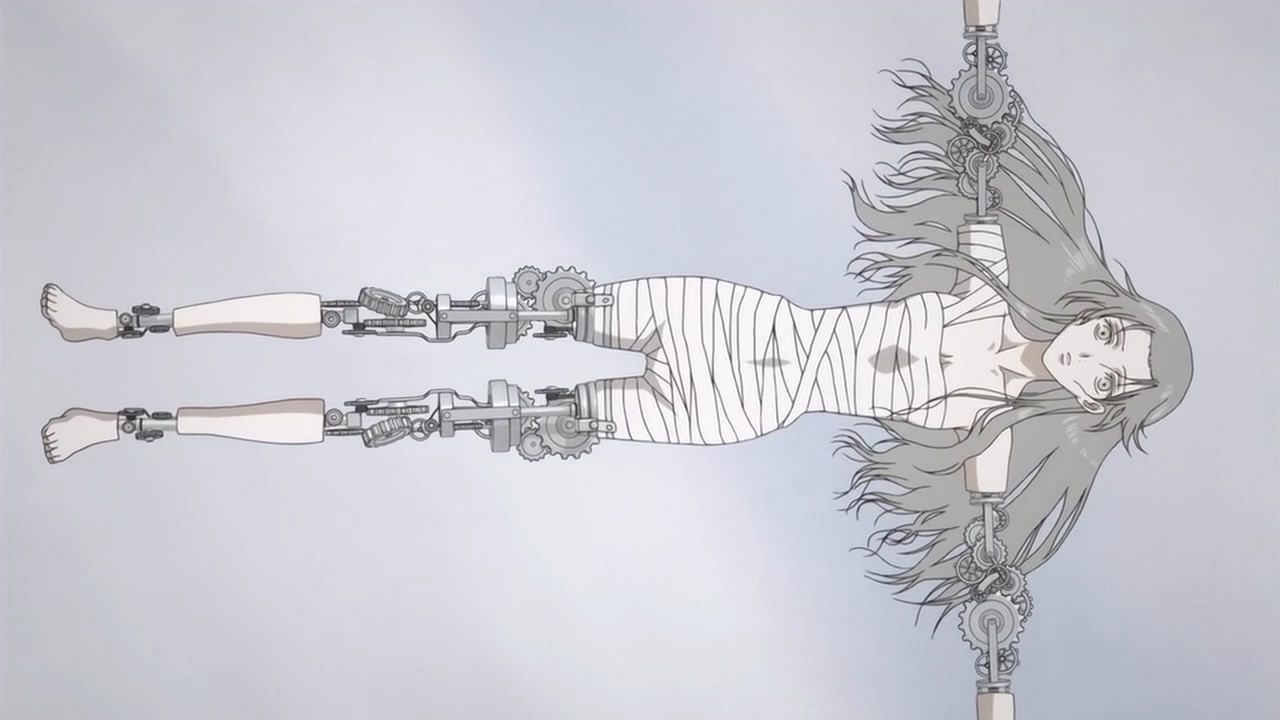
Few studios nowadays change things up. Most series are animated as-matter-of-factly with hardly any imagination. Like Shaft, however, Madhouse took a stab (or cleave) at switching things up with Moryo, but whereas Shaft hits you repeatedly with visuals and cuts like a kid hopped up on pop rocks and soda (don’t get me wrong–I still like Shaft), Madhouse opts for neurotic calmness.
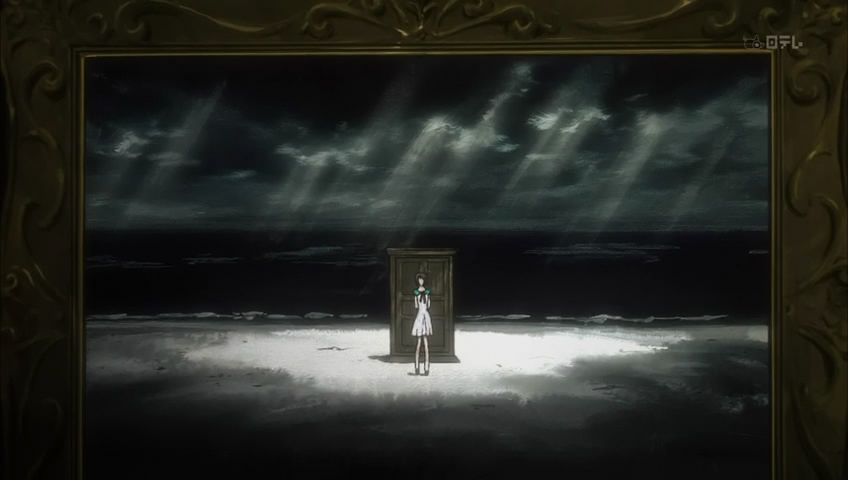
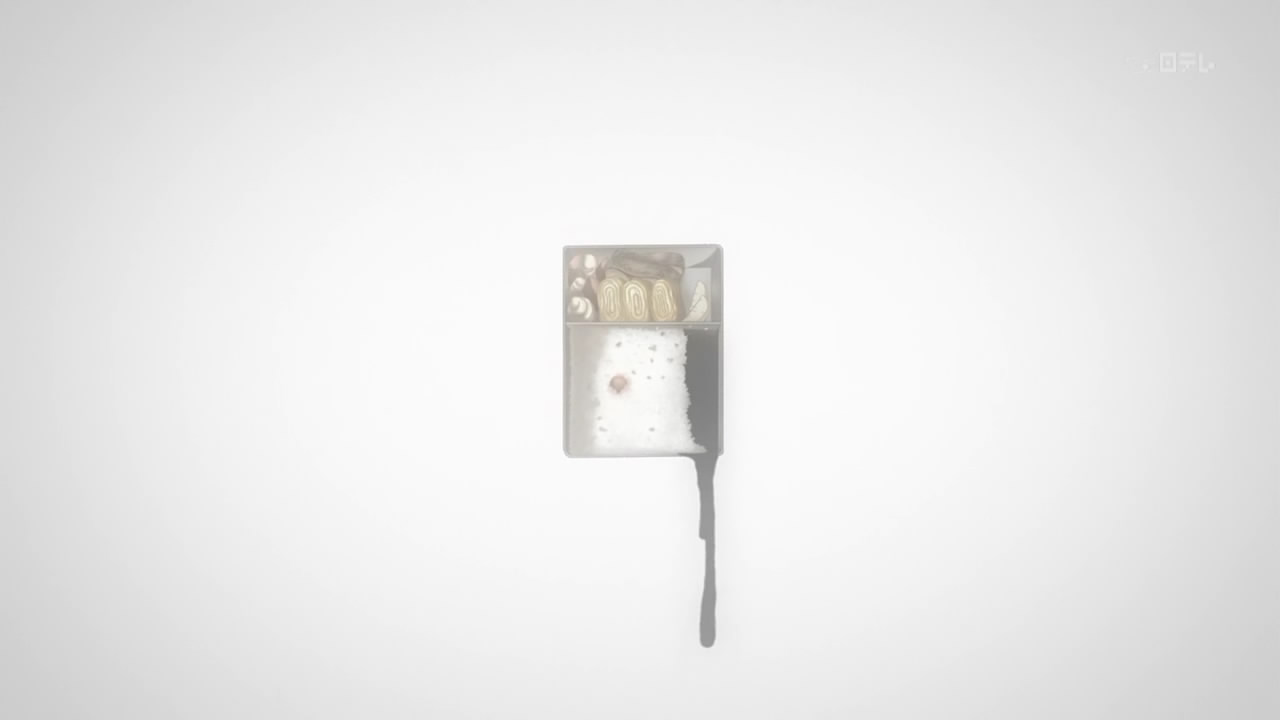

And like Shaft, Madhouse switches up animation styles at times, but while Shaft just often tries to be cool or shocking, Madhouse stays within the scope of Moryo, making sure that while the visuals lend to the story, they never overtake it.


This isn’t a bad yet obscure show that I’m promoting just to be cool and ‘anime hipster’ (whatever that means). Moryo is a very intelligent anime that never got a fair chance from most fans. It isn’t without its flaws, however. Moryo has perhaps one too many characters that–in the course of a 13 episode series–some of them hardly lend anything to the plot. Secondly, the in-depth discussions (e.g. the meaning of the word ‘moryo’) might be fascinating as hell to me, but I’m all too sure that many typical anime fans will find them dull and pointless. It’s not so bad here (unlike Code Geass) but I’m also not a fan of CLAMP’s character designs. Finally, I suspect the amazingly slow subbing process had something to do with Moryo’s lack of popularity. I think the best way to watch Moryo is to marathon it from beginning to end, but unless one understands Japanese pretty well, no such luck there as only ten episodes have been subbed so far (by three different fansub groups no less). To be fair, Moryo is very dense in dialogue, particularly in the middle, and thus difficult to translate properly. But ultimately, this is why I’m writing this entry: I encourage you to give Moryo a shot and drive up support for the rest of the episodes to be subbed.
Honestly, give it a shot.

Well, then I’ll try to watch it.